

Soil preparation
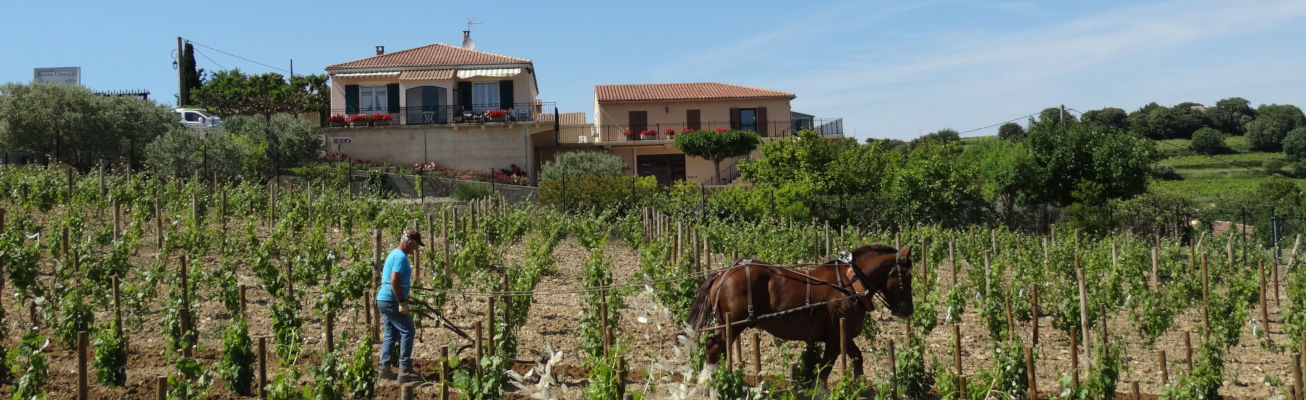
Working the soil , passed down from generation to generation, is at the heart of our identity.
The exceptional diversity of the terroirs of Châteauneuf-du-Pape — limestone, rolled pebbles, sands, sandstone or clays — is fully found within the Domaine Pierre Usseglio.
Spread across the entire appellation area, our plots offer a unique mosaic that shapes the personality of our wines.
Paying close attention to each soil and each vine, we maintain our vineyard manually , respecting the natural rhythm of the seasons.
We let nature express itself, guided by observation, experience and the desire to preserve the balance of our lands.
This wealth of terroirs, combined with our expertise, allows us to produce complex, silky and harmonious wines , authentic reflections of Châteauneuf-du-Pape and our family heritage.
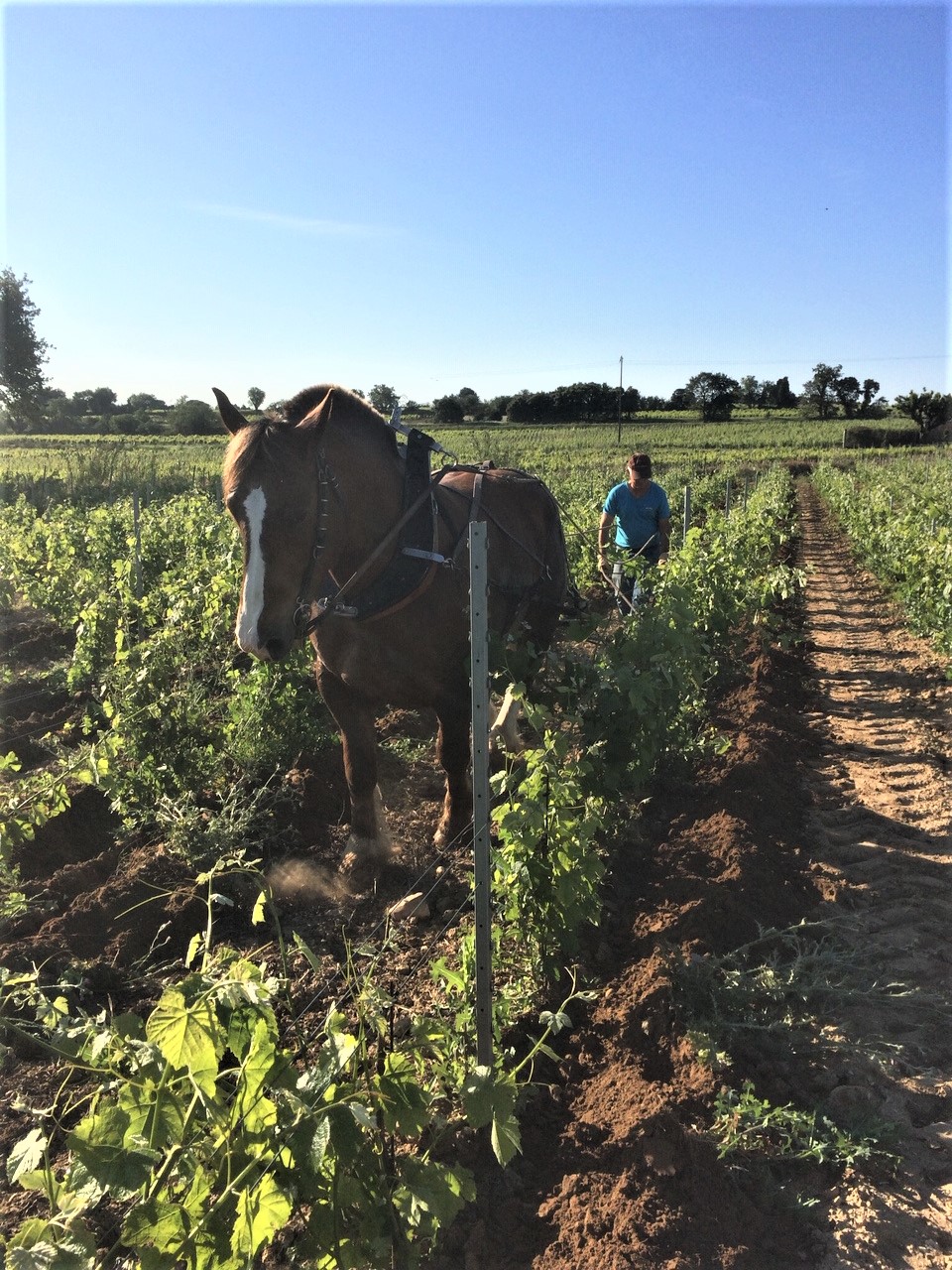
Châteauneuf du Pape: expressing the different terroirs
Winemaking
The precise selection of plots throughout the year, and the manual harvesting at optimal ripeness, constitute one of the foundations of our identity.
In the vineyard as well as upon arrival at the winery, rigorous sorting allows us to keep only the finest grapes, guaranteeing quality and a faithful expression of the vintage.
Red winemaking
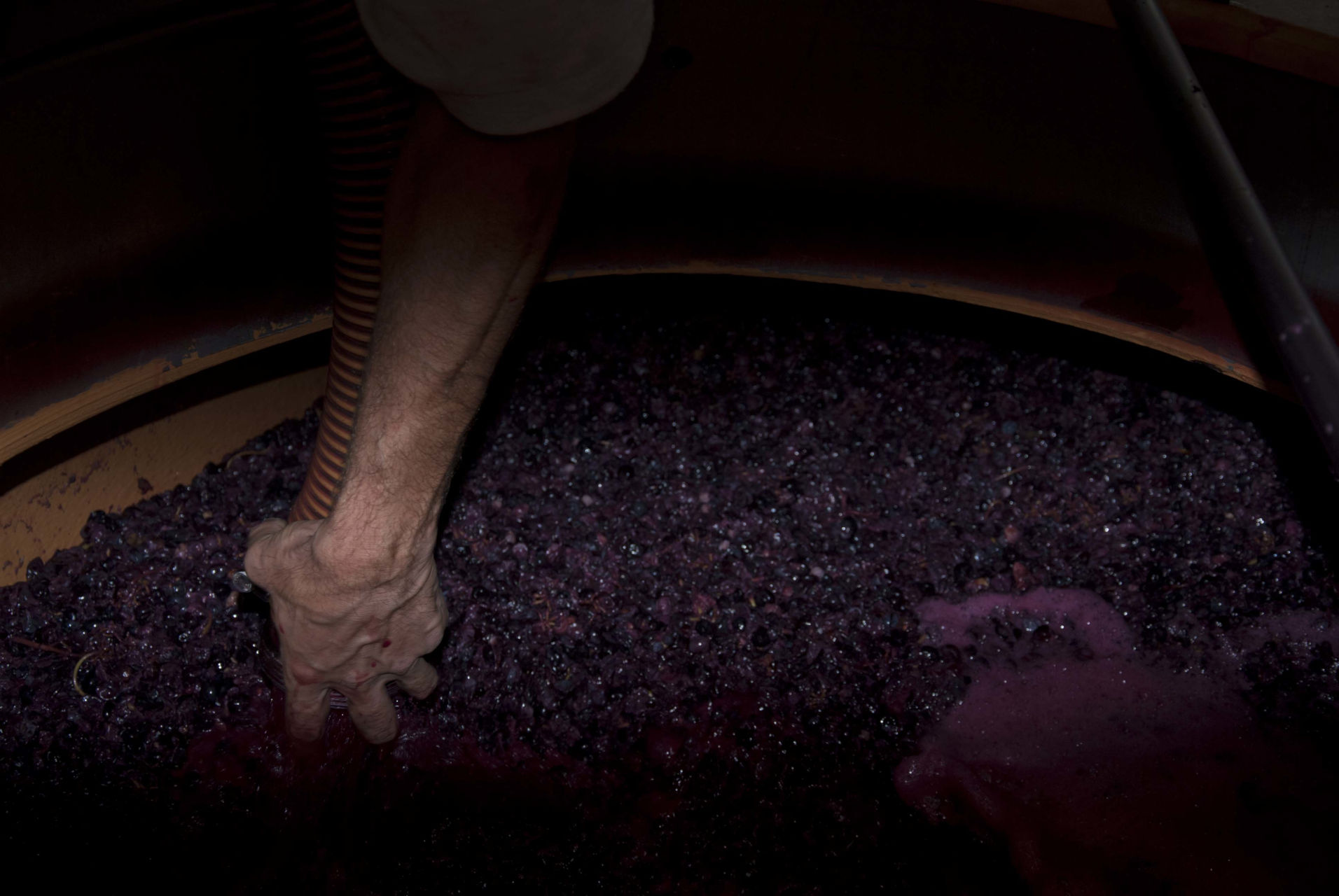
True to the traditions of Châteauneuf-du-Pape, Domaine Pierre Usseglio adapts the harvesting process to the ripeness of the stems: the bunches may or may not be destemmed , then lightly crushed before being transferred to concrete vats for maceration lasting 25 to 40 days.
.
The fermentation, conducted between 25°C and 28°C , is accompanied by various interventions — pump-overs, rackings or lees stirring — designed to gently extract aromas, color and structure.
This mastery of time and gestures makes it possible to obtain concentrated, elegant wines with intensely colored hues .
White winemaking
The white grapes are harvested in the cool of the morning , in order to preserve all their aromatic brilliance.
They are then gently pressed before being vinified in stainless steel tanks or in 400 litre and 600 litre half-muid barrels, as well as in amphorae , at temperatures between 15°C and 20°C .
Weekly stirring of the lees accompanies the alcoholic fermentation to bring volume and complexity.
Malolactic fermentation is intentionally stopped in order to preserve the tension, purity and freshness that characterize our white wines.
Livestock farming
The aging process is a crucial step in the construction of our wines.
A true guarantee of quality, it conditions the stability, aromatic complexity and aging potential essential to Châteauneuf-du-Pape wines .
Its duration and method of operation are adapted to the typology of each vintage and, above all, to their organoleptic profile observed from the end of fermentation.
The breeding process contributes to the evolution and stabilization of phenolic compounds and the progressive integration of tannins.
Red wine production
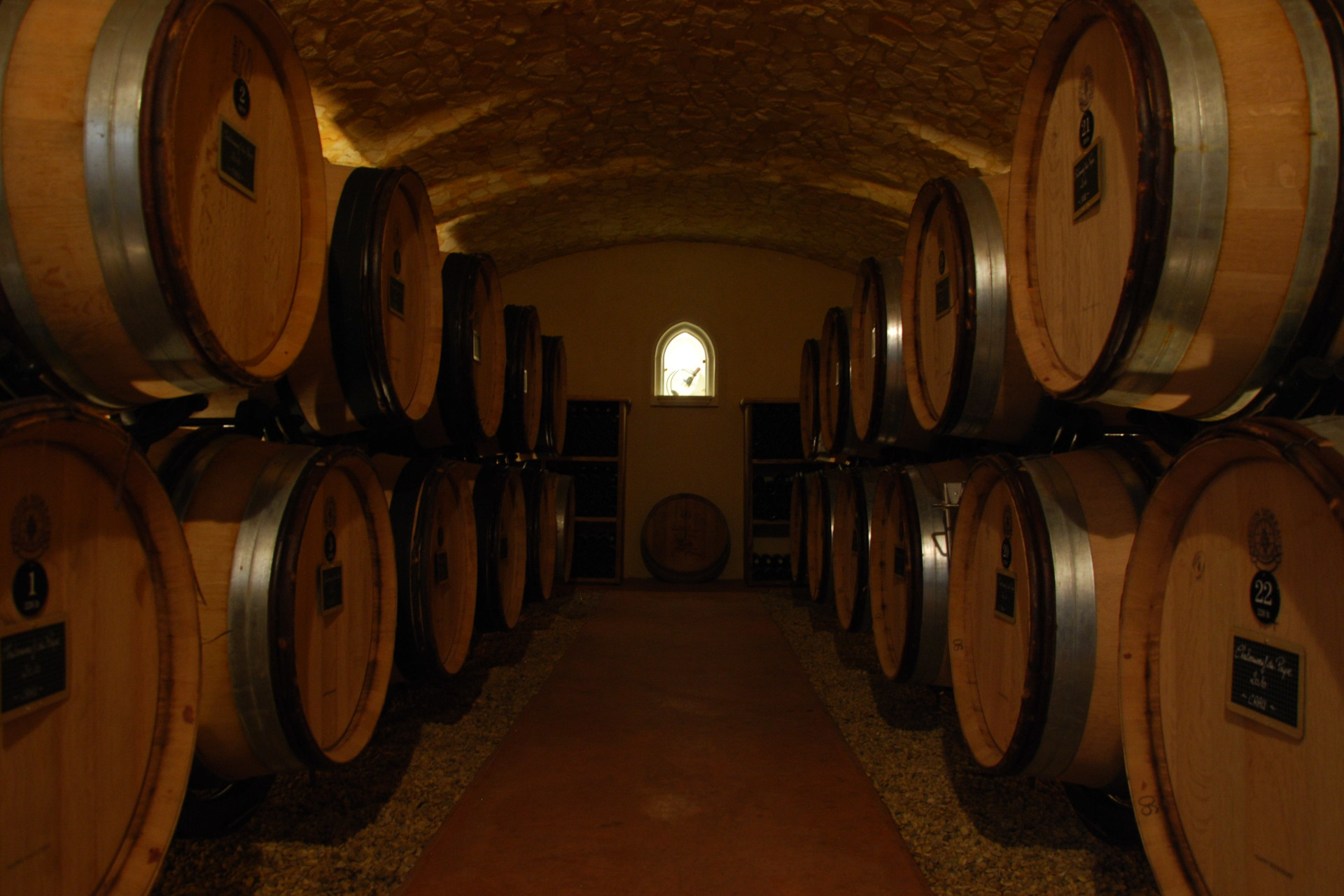
Our red wines are aged in a variety of containers, allowing for controlled micro-oxygenation and progressive aromatic development:
casks, barrels, demi-muids, muids d’Oc, truncated conical wooden vats, and concrete vats.
Depending on the cuvée and vintage, the aging period varies between 12 and 18 months .
A rigorous selection process is carried out in collaboration with our coopers for the choice of oaks , the origin of the wood and the degree of toasting , an essential parameter to refine the structure, respect the fruit and achieve the desired aromatic signature at Domaine Pierre Usseglio.
Approximately 80% of our red wines are aged in oak, in order to find the ideal balance between aromatic intensity , tannic finesse and expression of the terroir .
White wine production
For our white wines, 80% of the production is aged in barrels for 6 to 12 months , with careful monitoring of the aging on lees to gain volume and complexity without masking the natural freshness of the grape varieties.
The remainder is kept in amphorae to preserve the aromatic brilliance and mineral tension .
Sharing
Our passion for wine is not solely rooted in the heritage left by our ancestors.
It also stems from our epicurean soul , our taste for the beauty of simple things , and our deep sense of sharing .
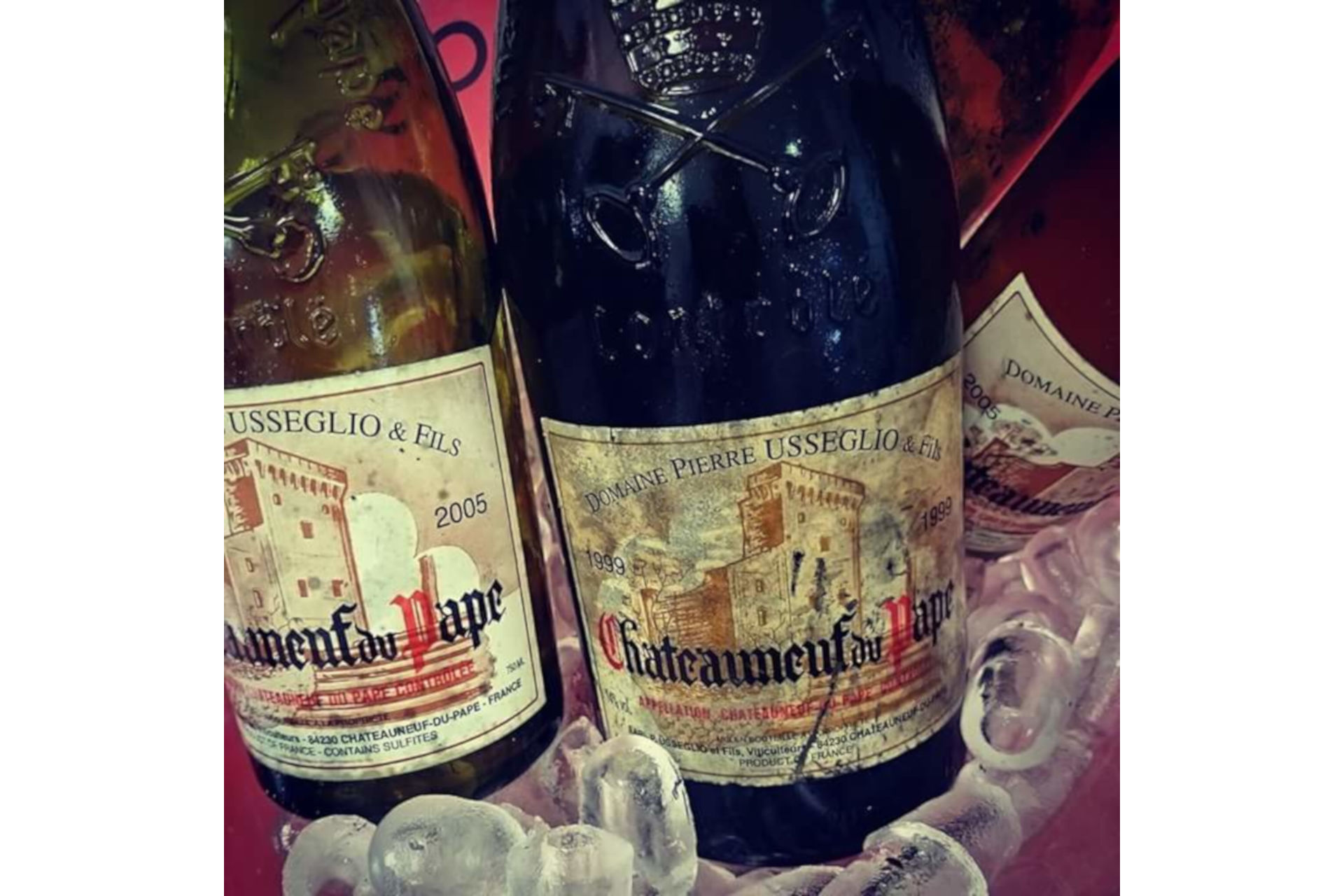
In a bottle, there is of course wine. But in a bottle of Châteauneuf-du-Pape , there is more: a fragment
From memory , a breath of the past rests patiently, takes shape , improves . When you uncork it, it’s as if
A ray of sunshine awoke once more. And with it, emotion , friendship , and, always, a touch of love were reborn .