

The Pierre Usseglio Estate
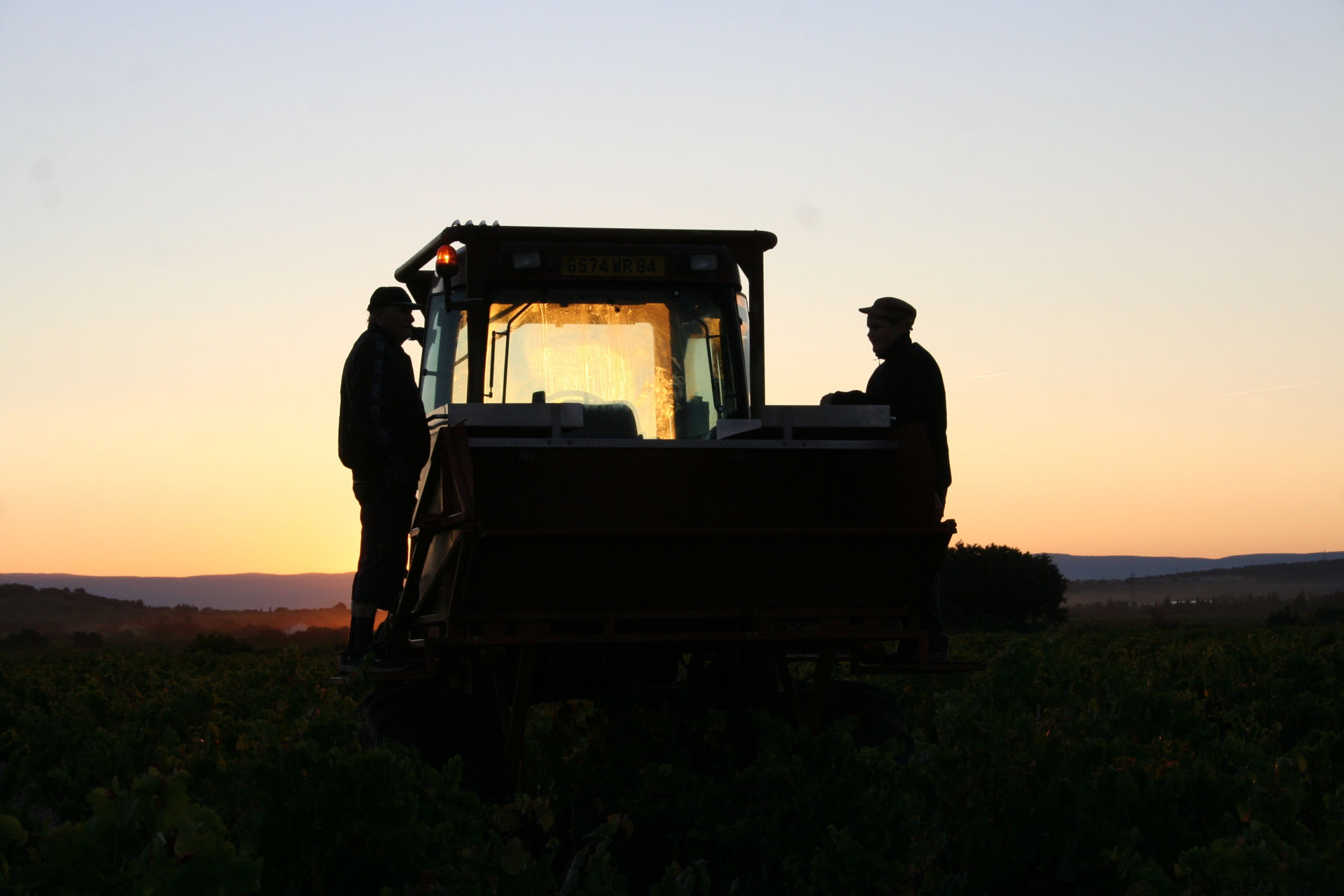
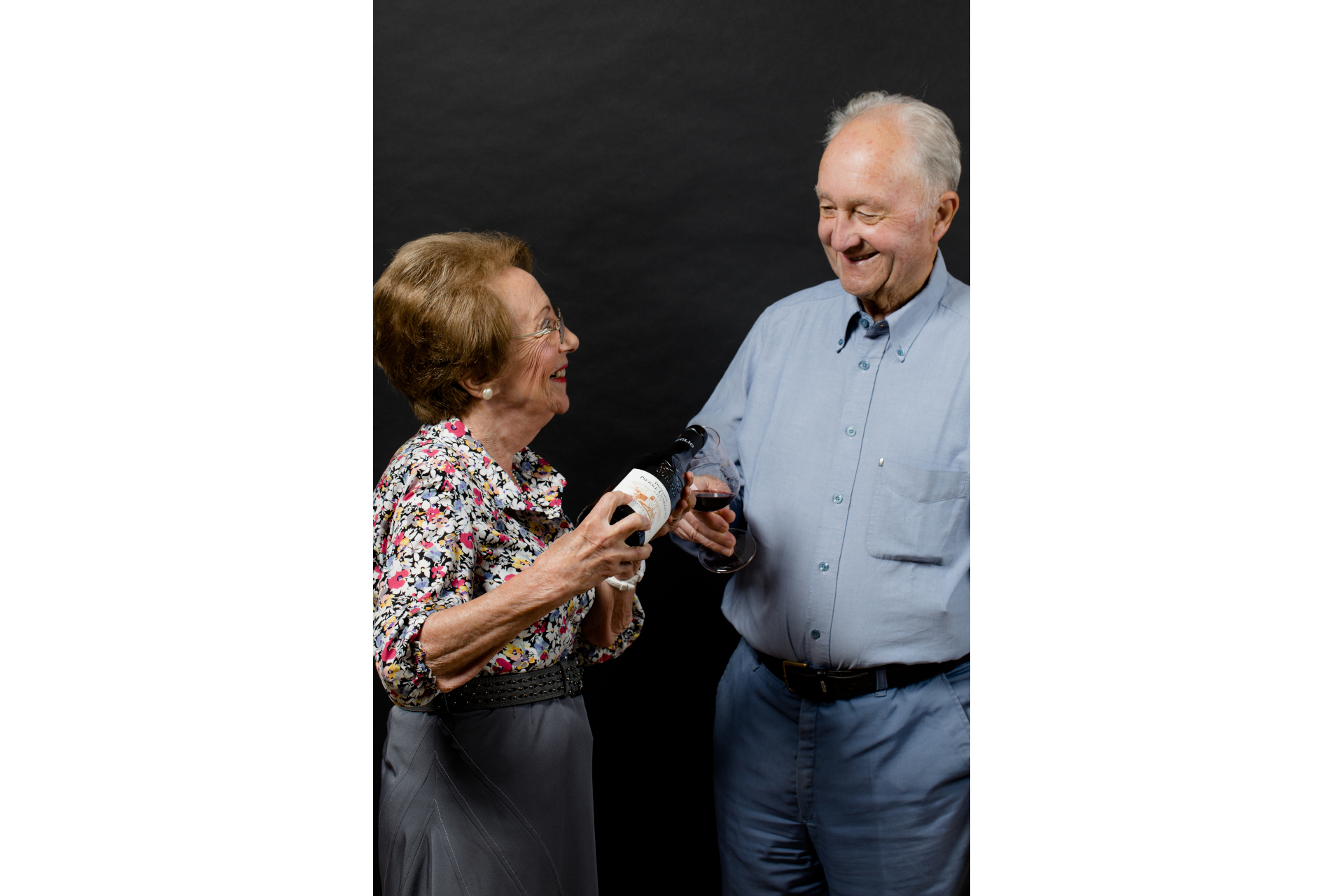
The origins (1931–1948) The story begins in 1931 when Francis Usseglio left Piedmont (Italy) and settled in Châteauneuf-du-Pape as a vineyard worker. After several years working in the vineyards, in 1948 he obtained the opportunity to cultivate 8 hectares under a sharecropping agreement and began to make his own wine: the first harvest came out of the press in 1949 .
Family development (1950s–1990s)
The property remains a model of family operation. The next generation takes over and gradually expands the vineyard, consolidating the family’s presence in the appellation and diversifying the plots and terroirs worked .
Pierre and modernization
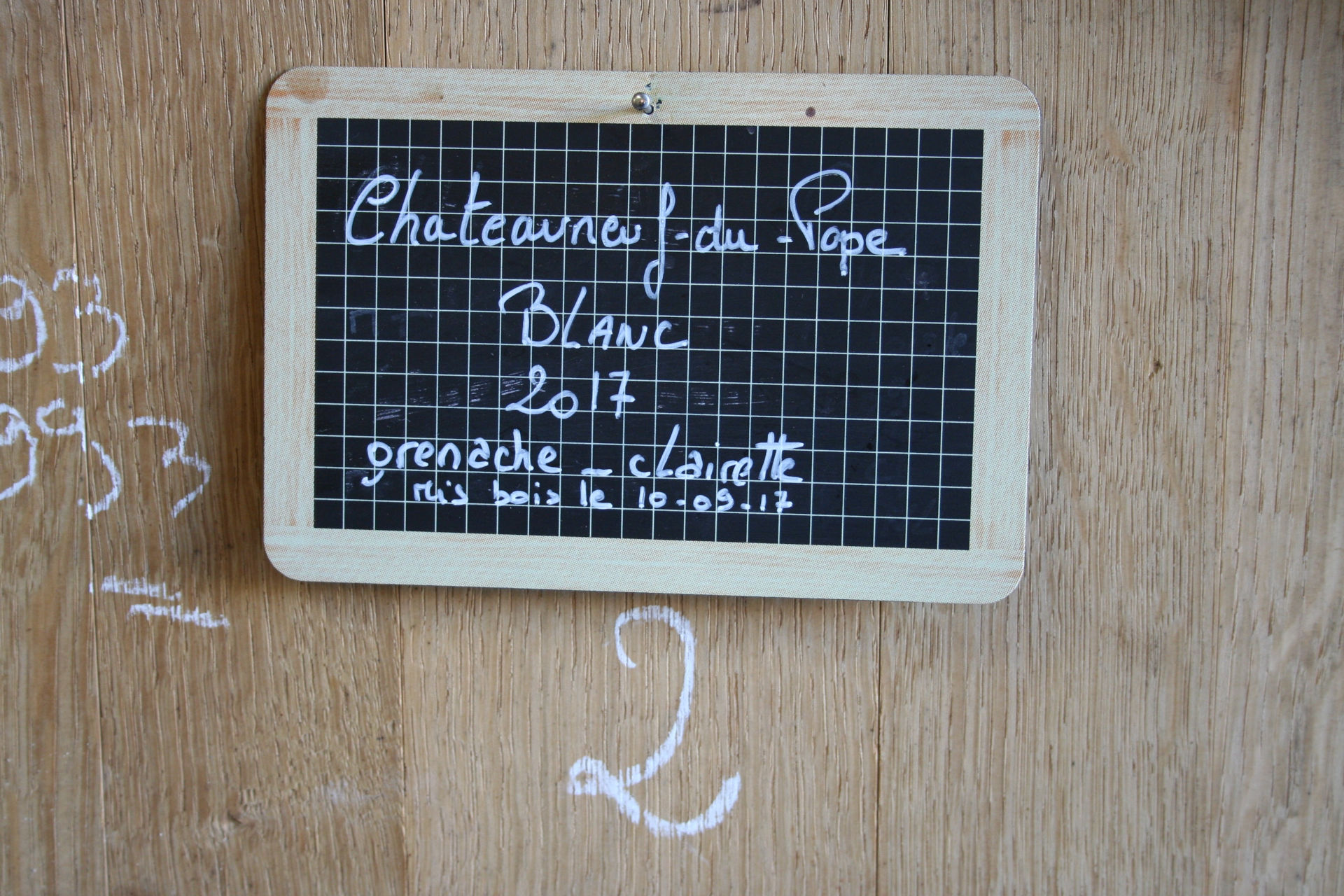
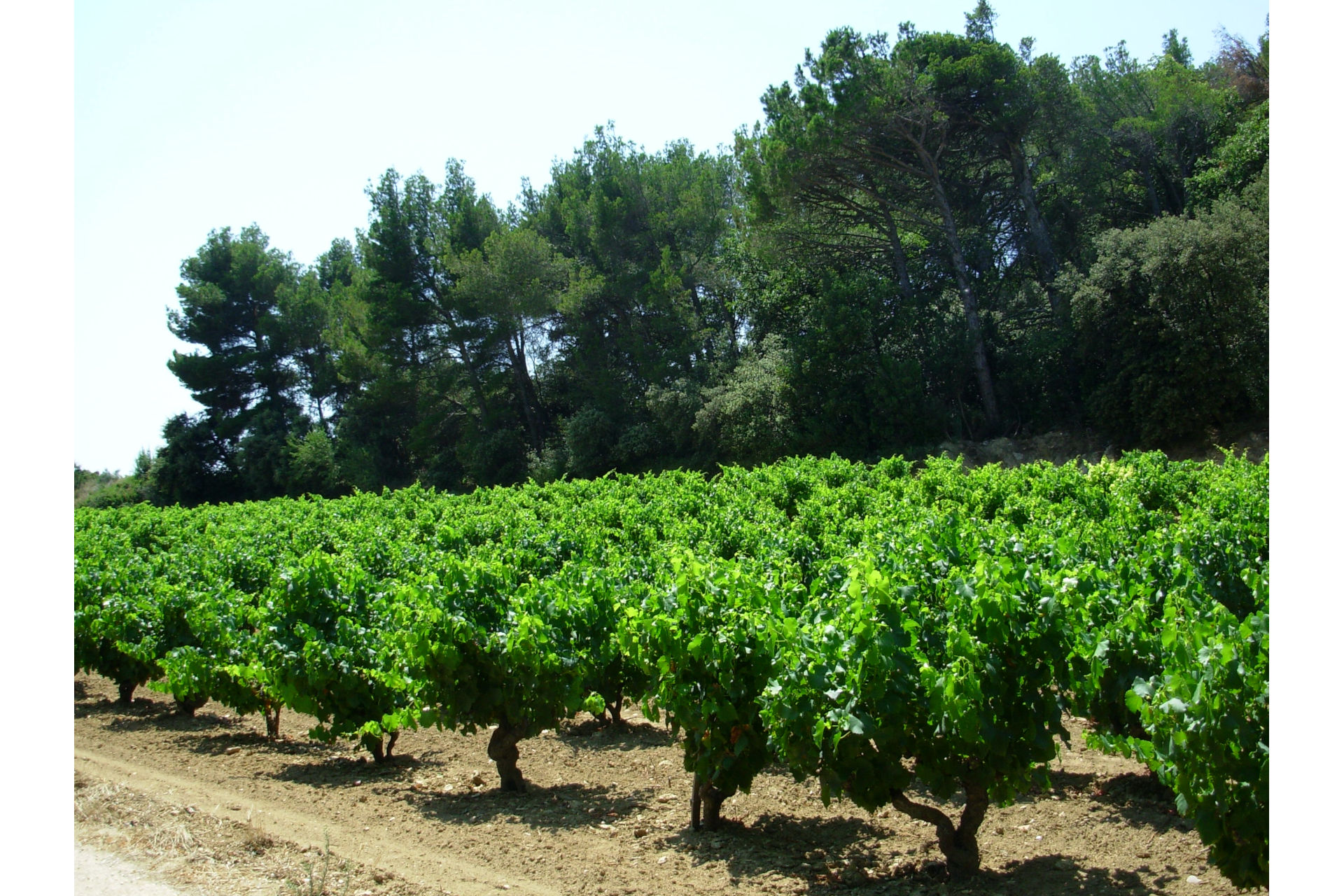
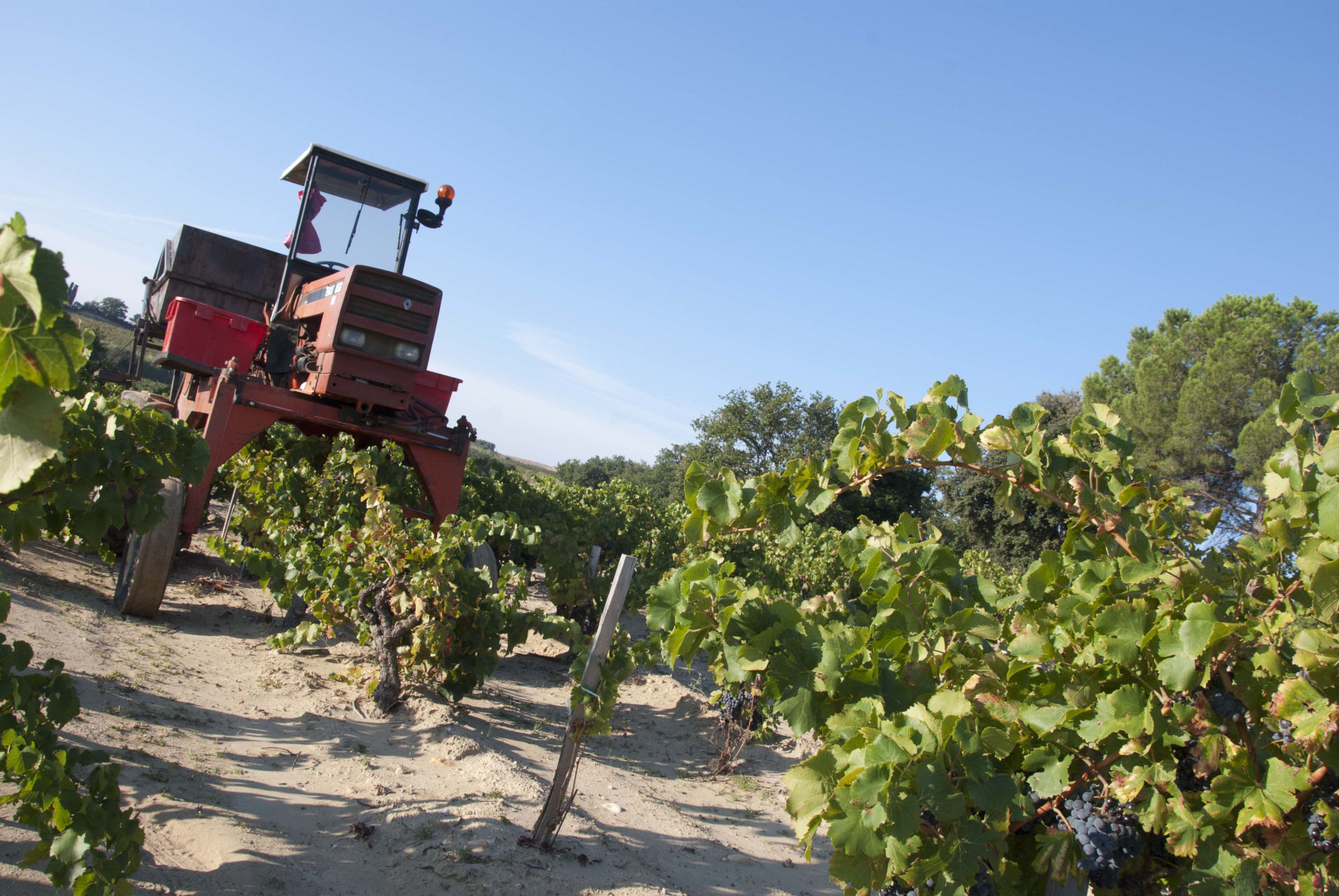
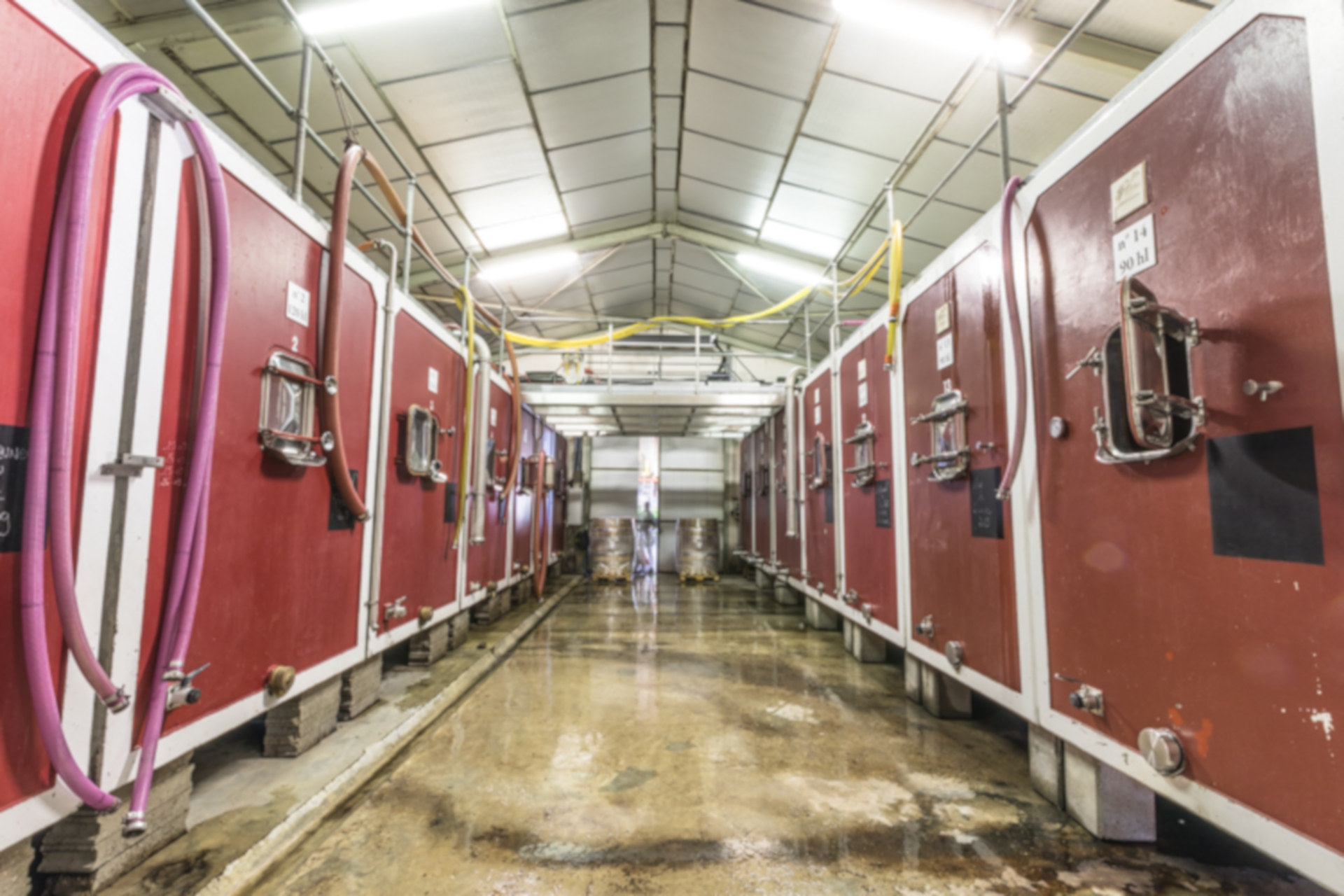
Pierre Usseglio took over the management of the family estate and continued the expansion and modernization of the operation. Under his leadership, the estate grew in size and reputation; today the estate covers approximately 48 hectares, divided between Châteauneuf-du-Pape (mostly red, with one hectare of white), Lirac, Côtes-du-Rhône and a few hectares of Vin de France .
Third generation and transmission
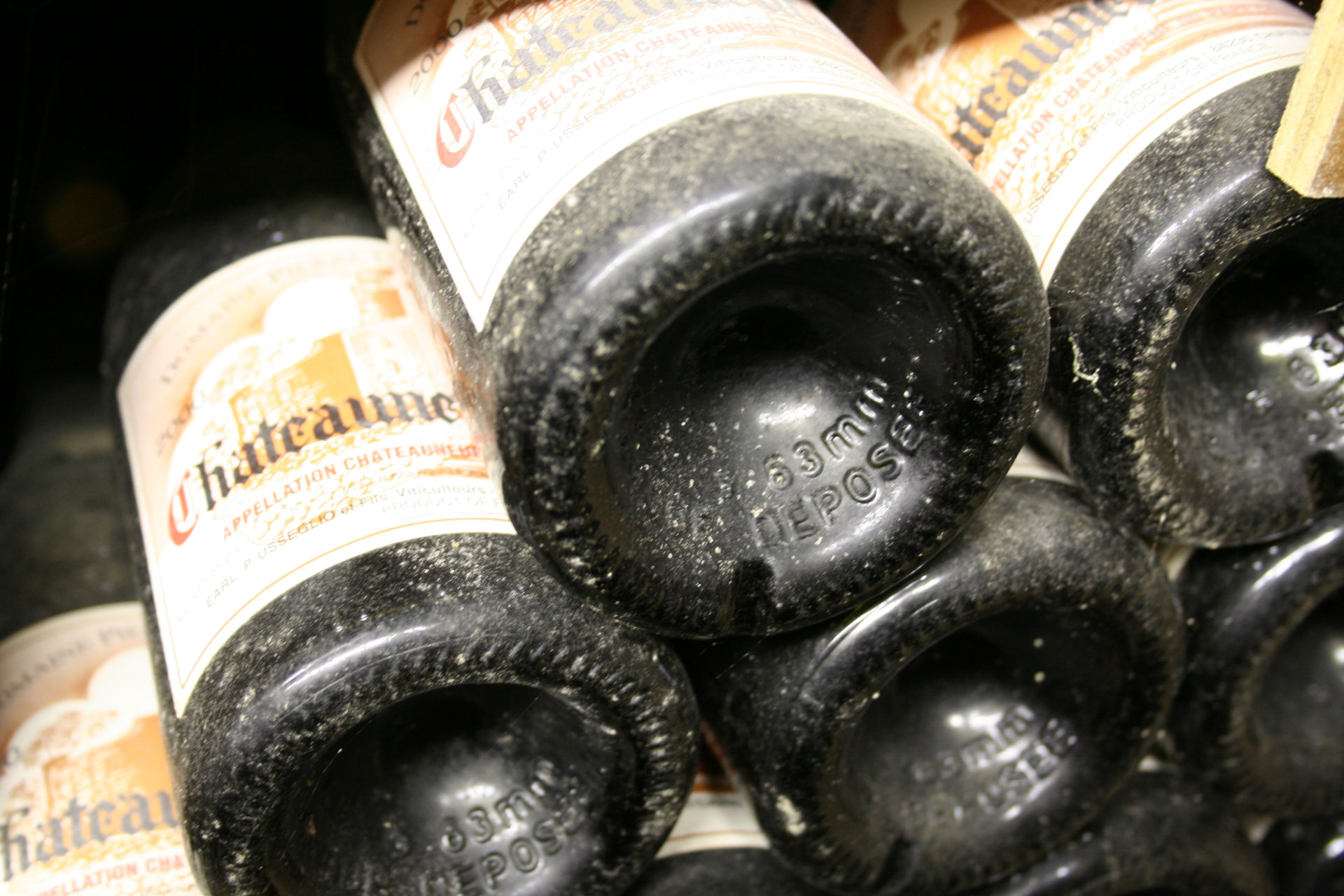
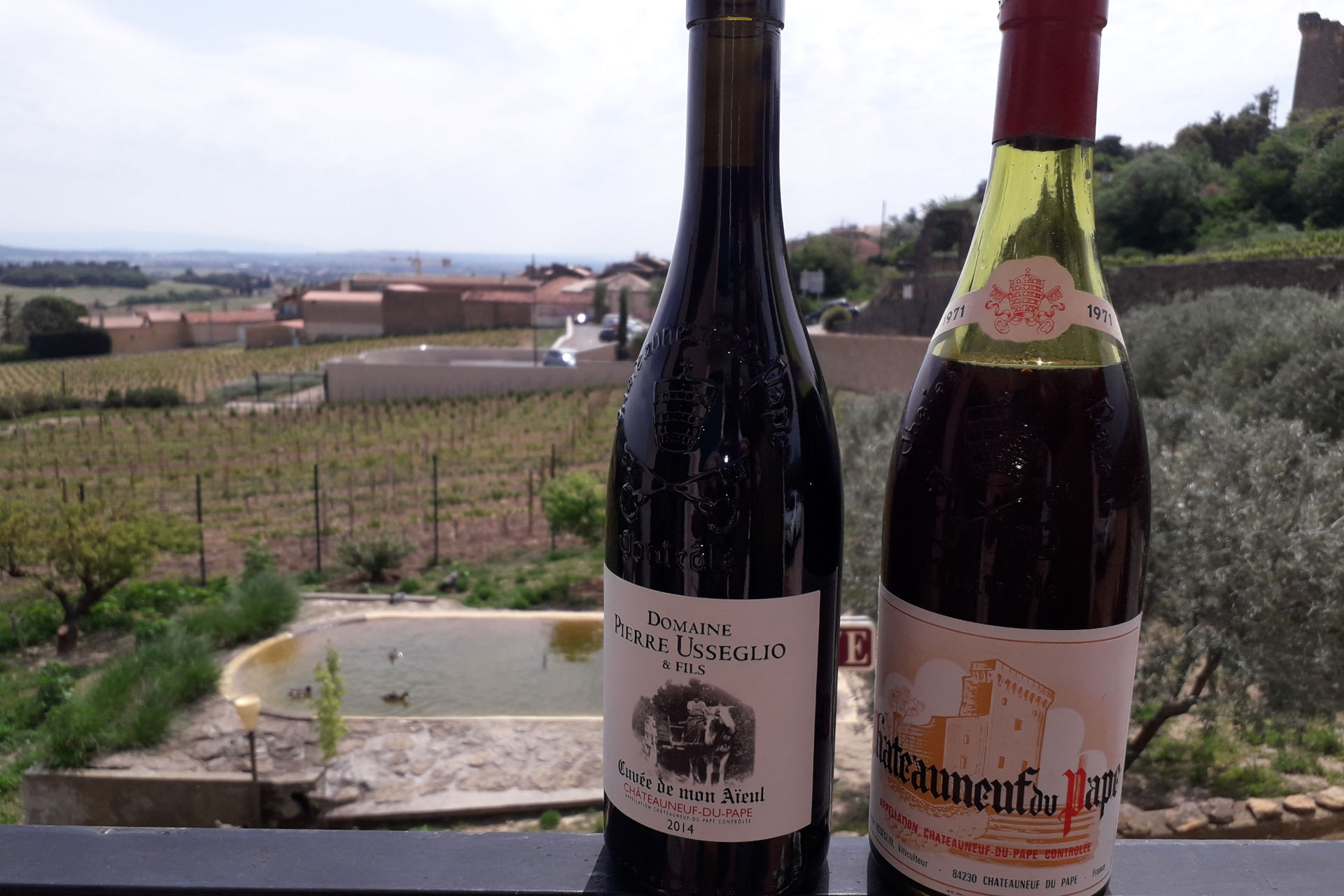
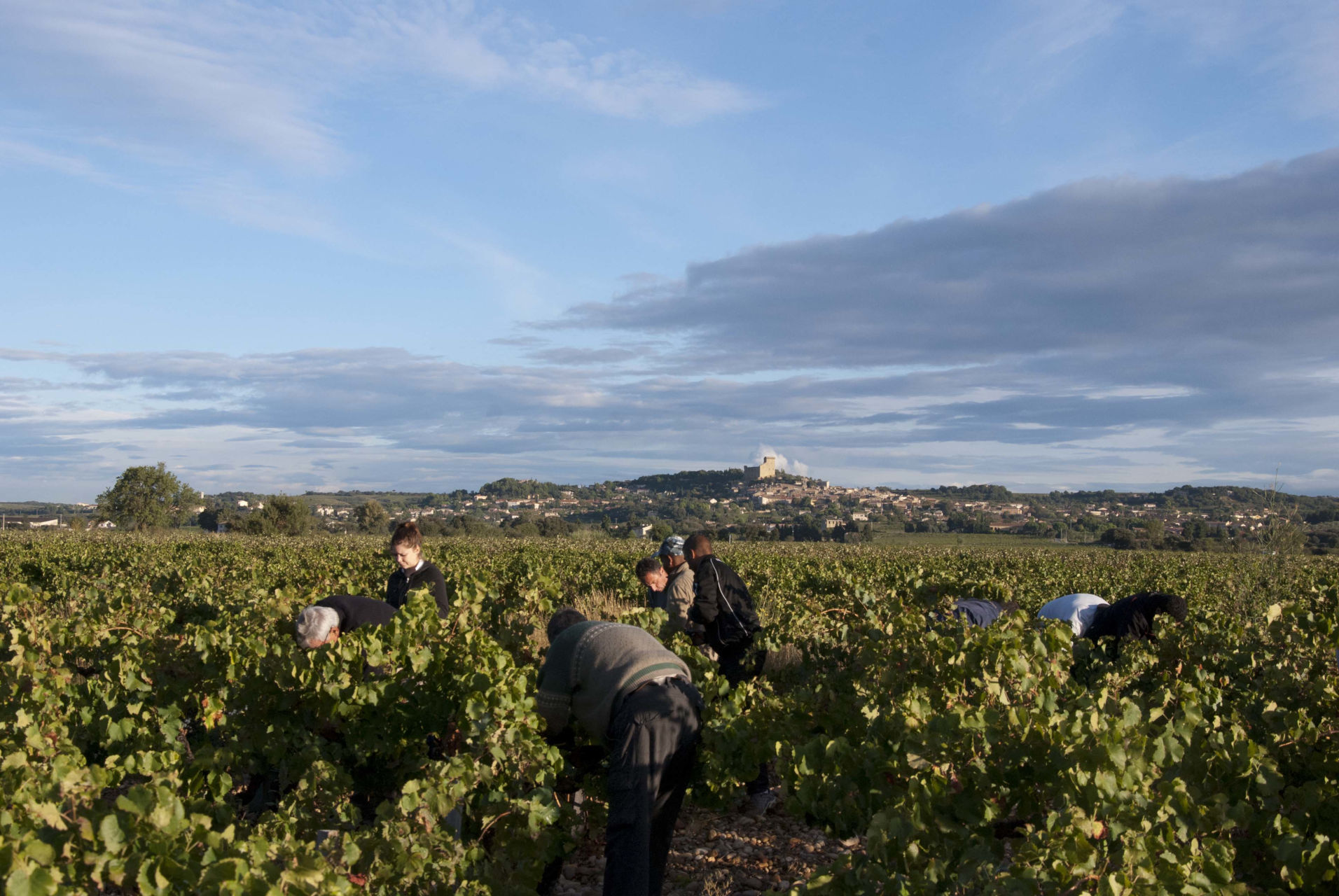
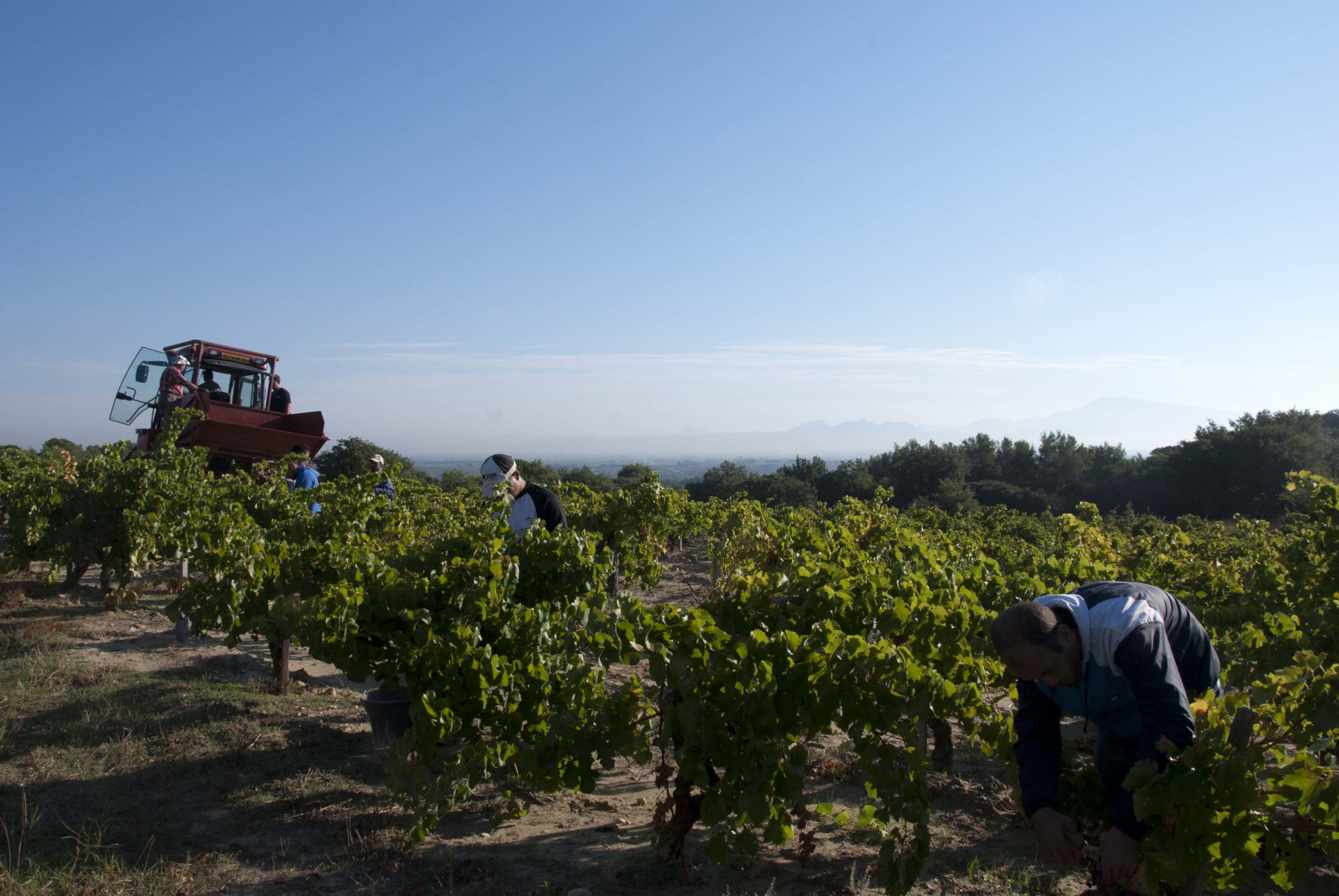
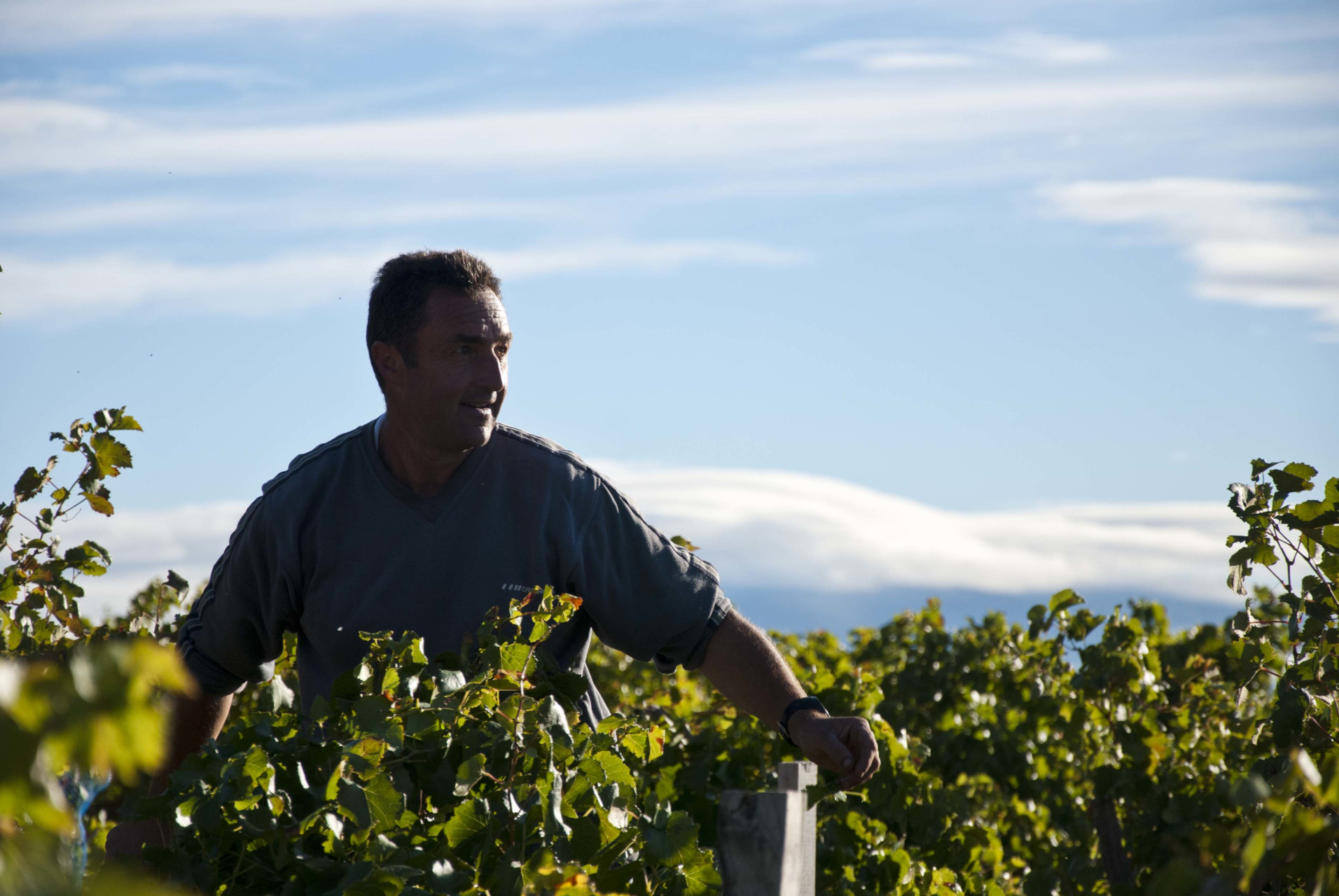
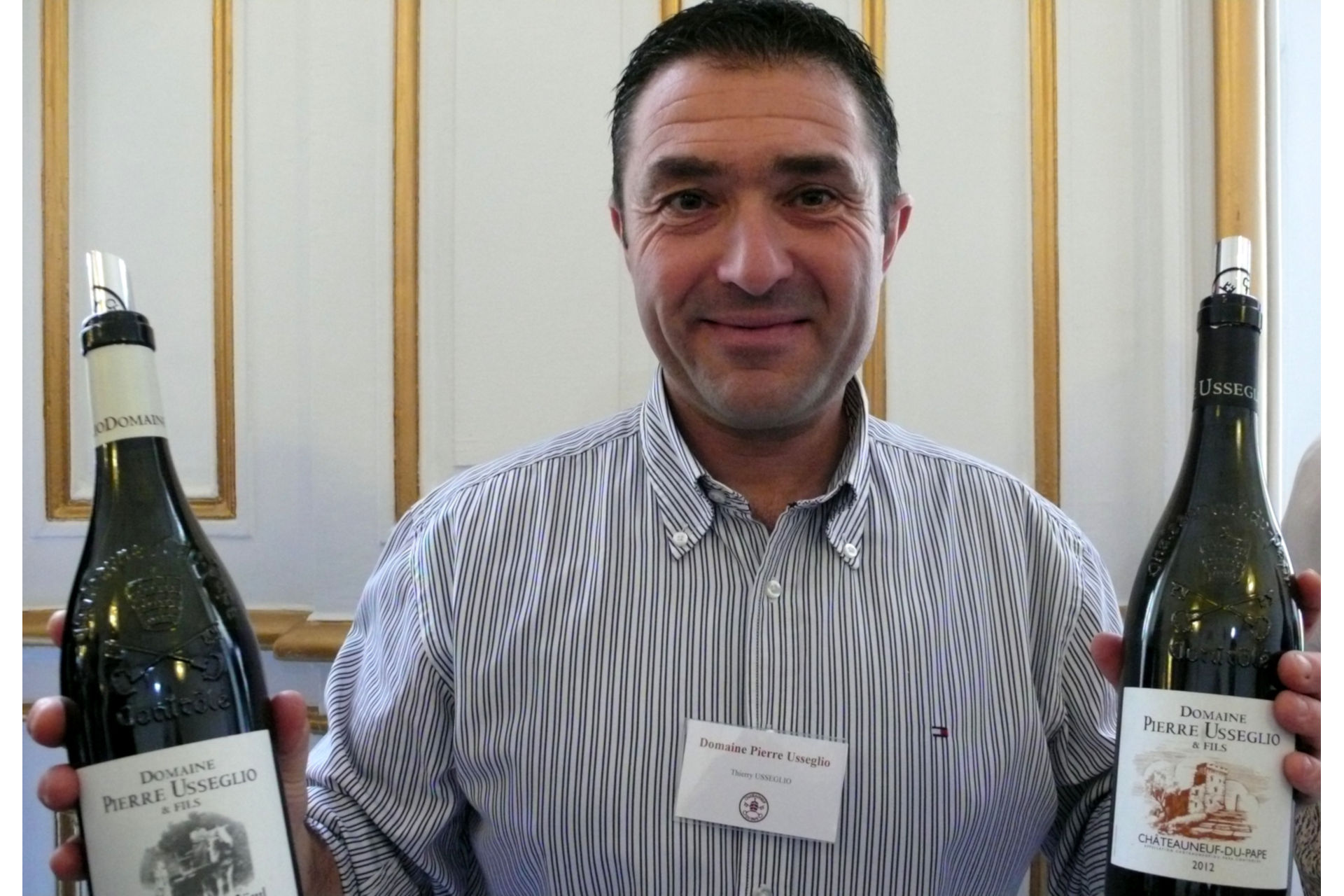
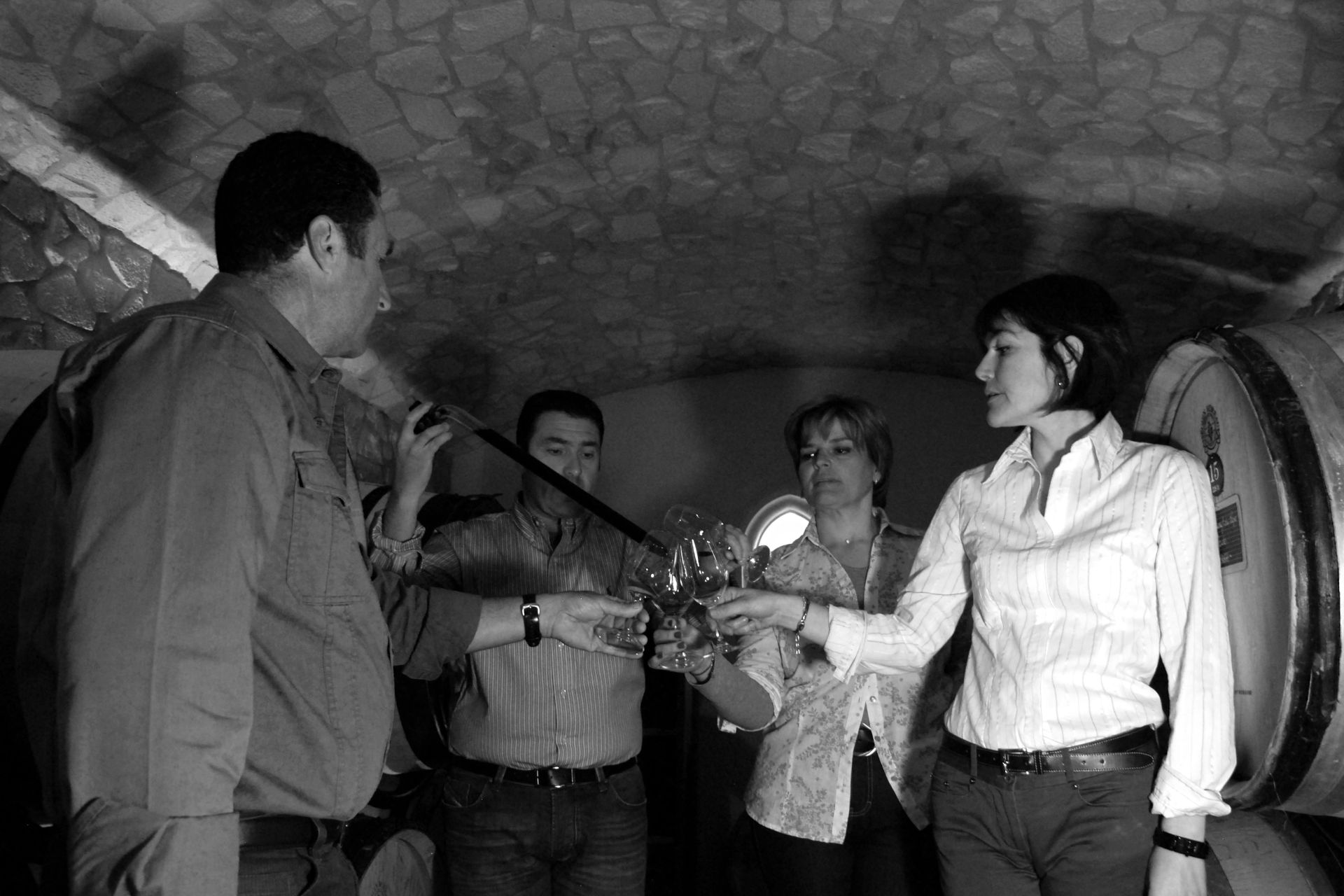
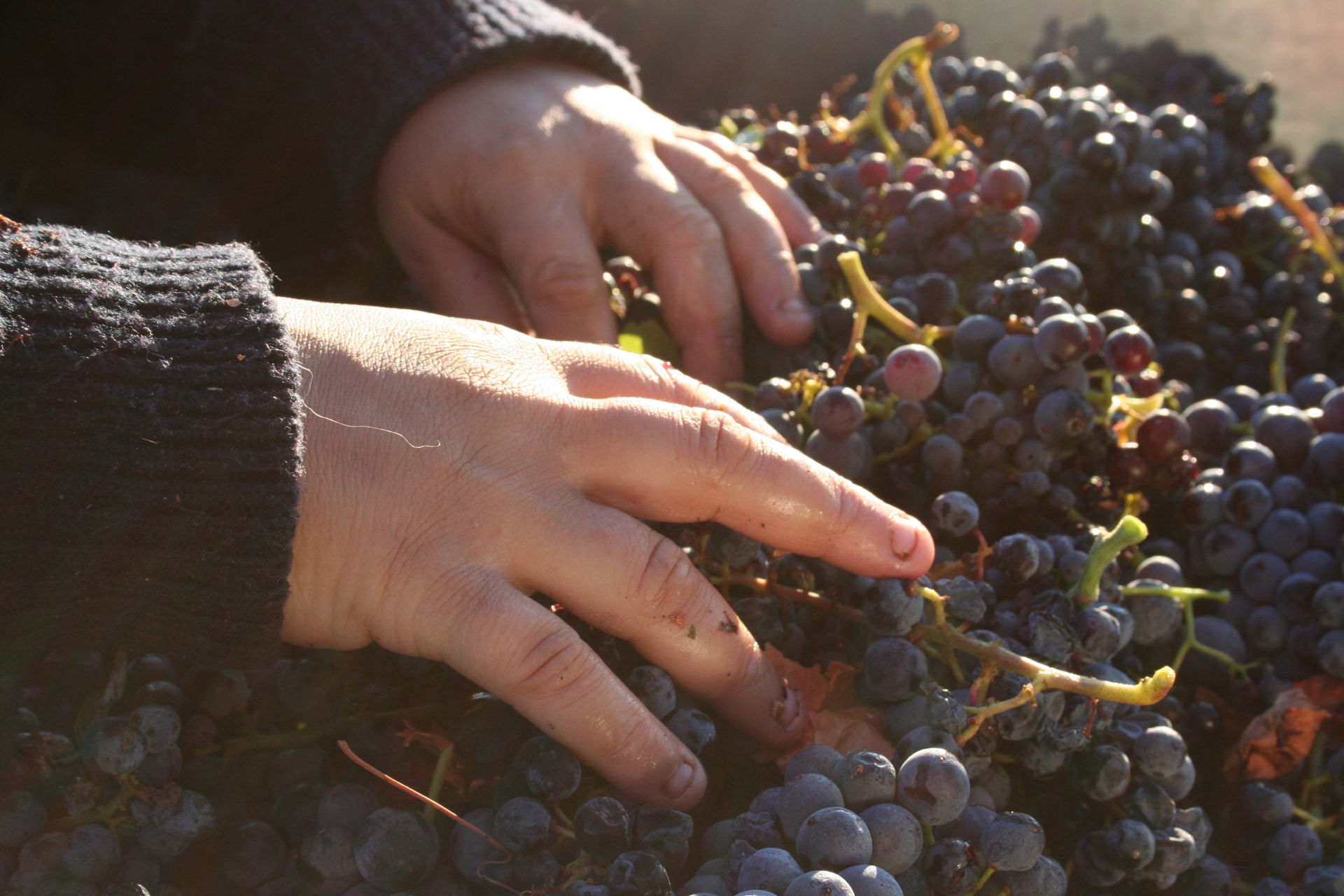
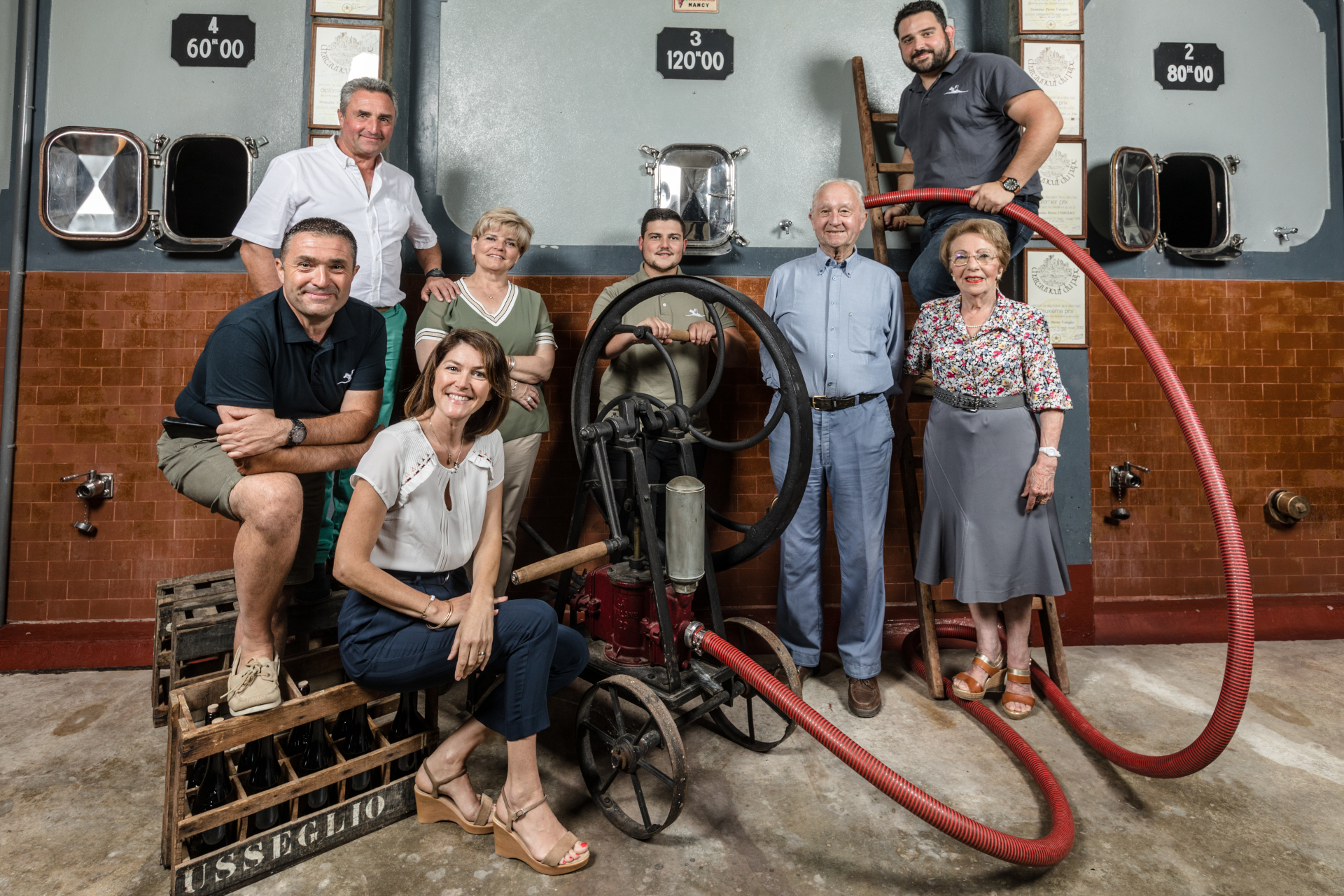
The family legacy is firmly established: the sons of the dynasty , Jean-Pierre and Thierry, along with their respective wives, Valérie and Sandrine, are now involved in the vineyard’s operation and marketing, perpetuating traditional methods (hand-harvesting, plot selection, sorting) while adopting modern techniques adapted to contemporary expectations. The estate markets several flagship wines (Première Pierre, Cuvée de Mon Aïeul, Réserve des 2 Frères, etc.).
New generation Usseglio: Gregory, Maxime and Thibault
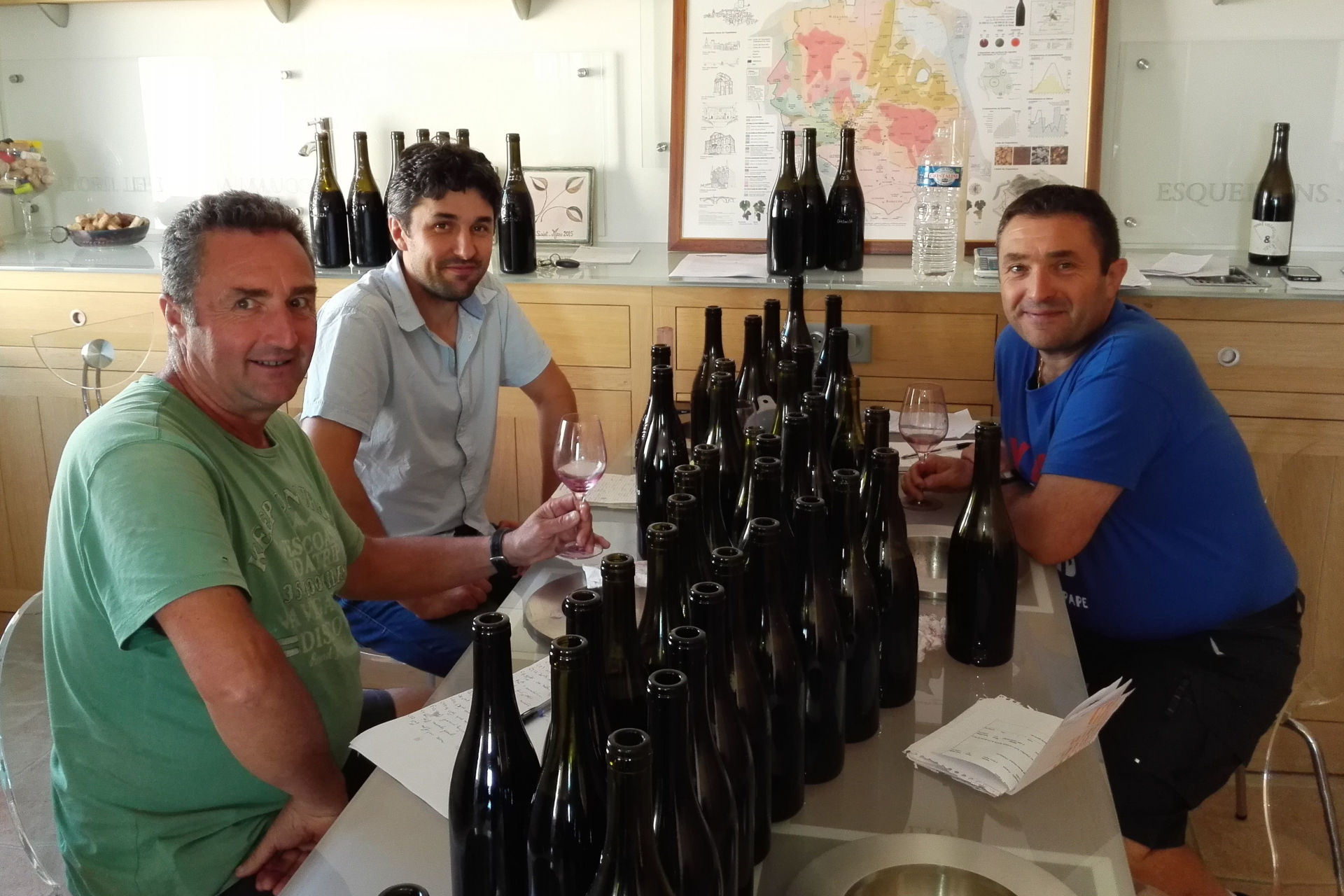
Today, the fourth generation of the Usseglio family takes center stage with Grégory, Maxime , and Thibault , bearers of a rich heritage and a resolutely forward-looking vision. These three young winemakers embody the continuity of a family tradition.
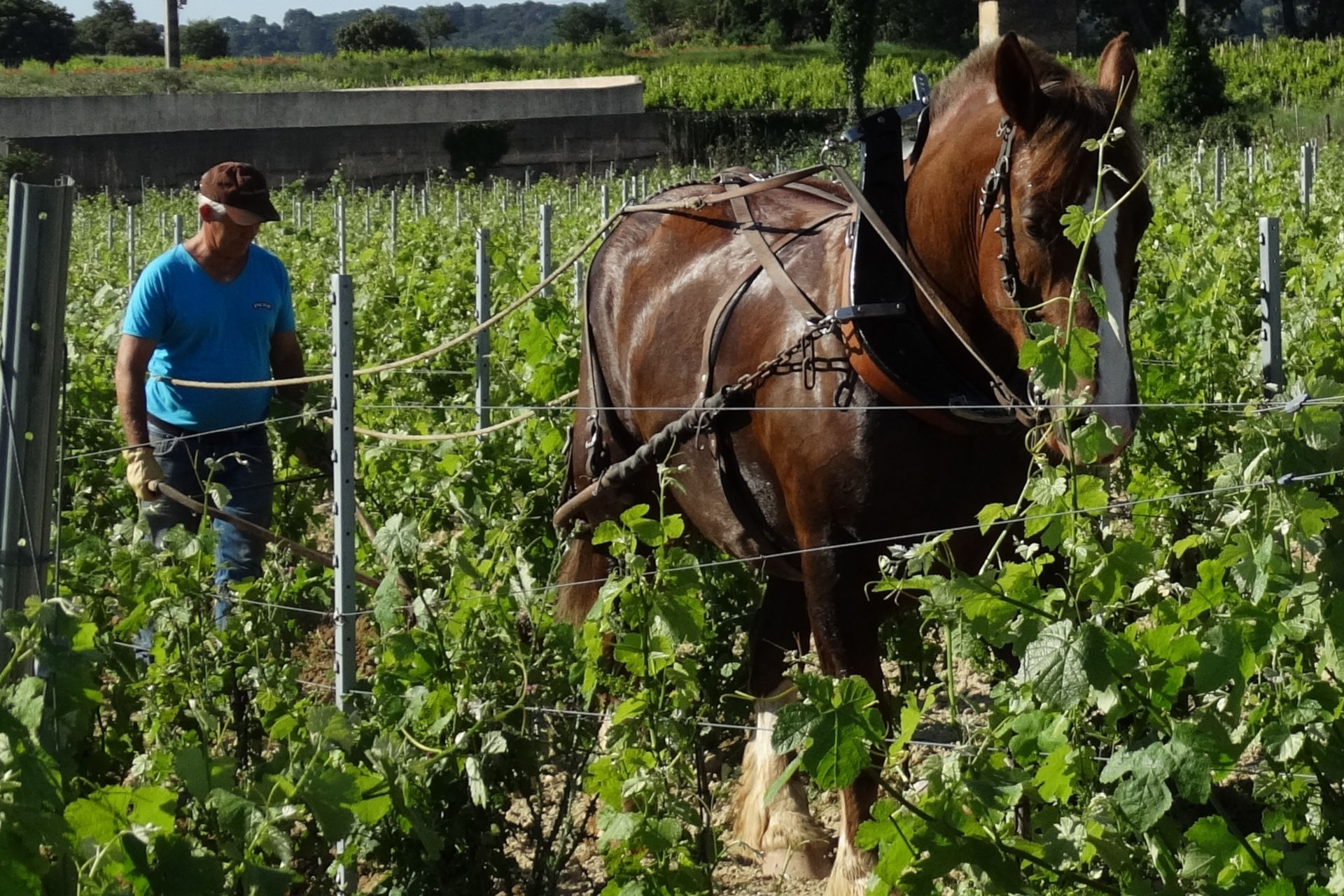
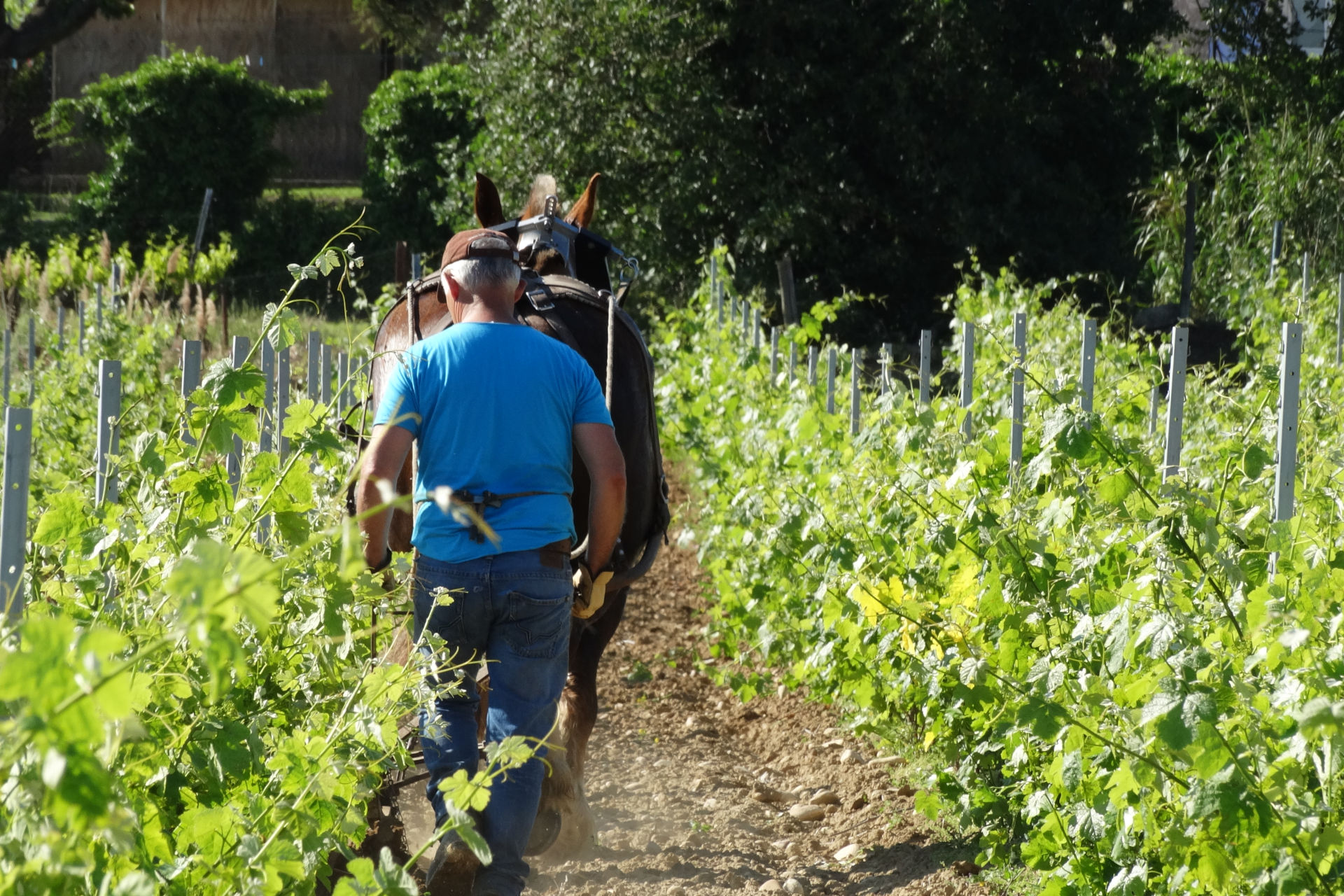
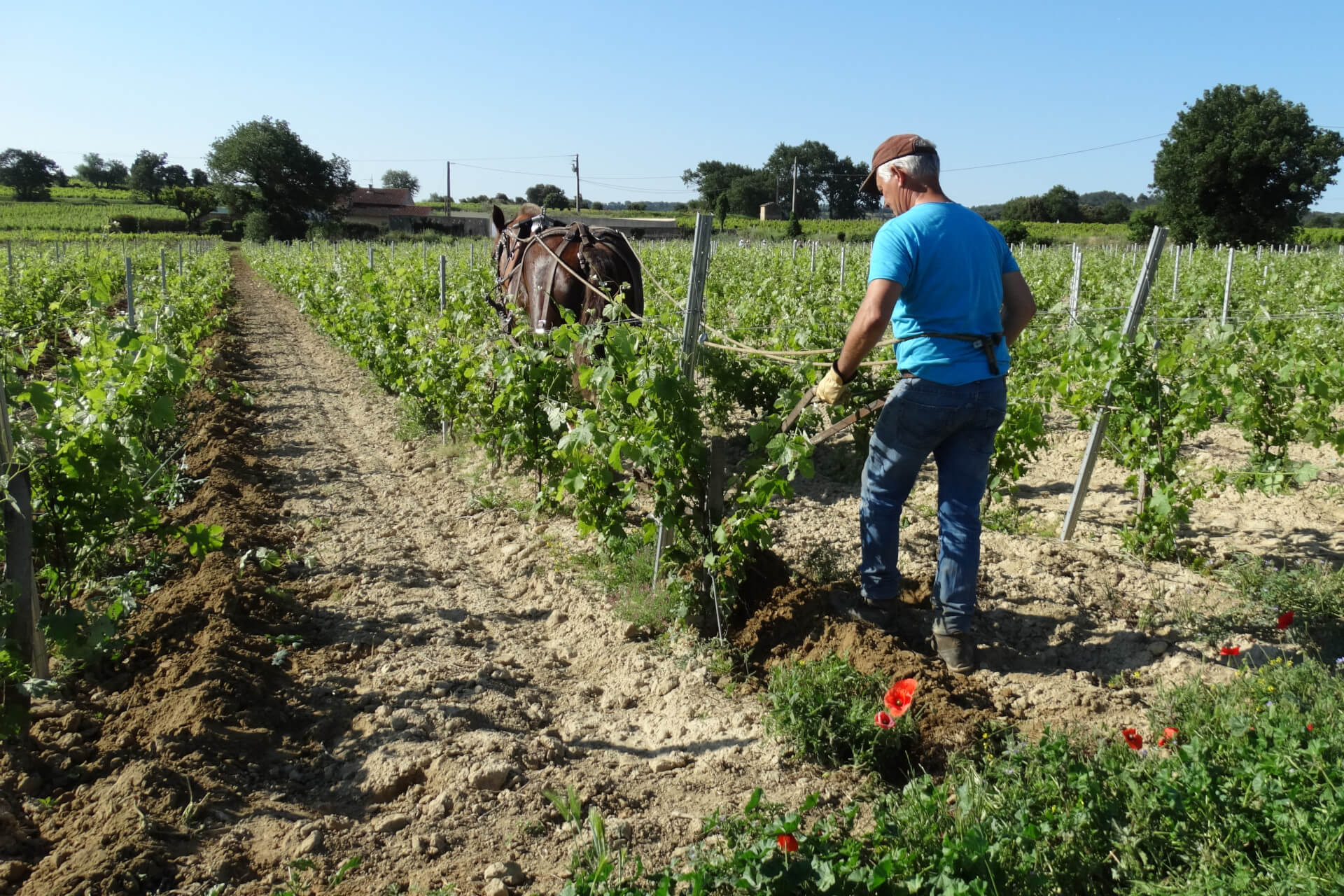
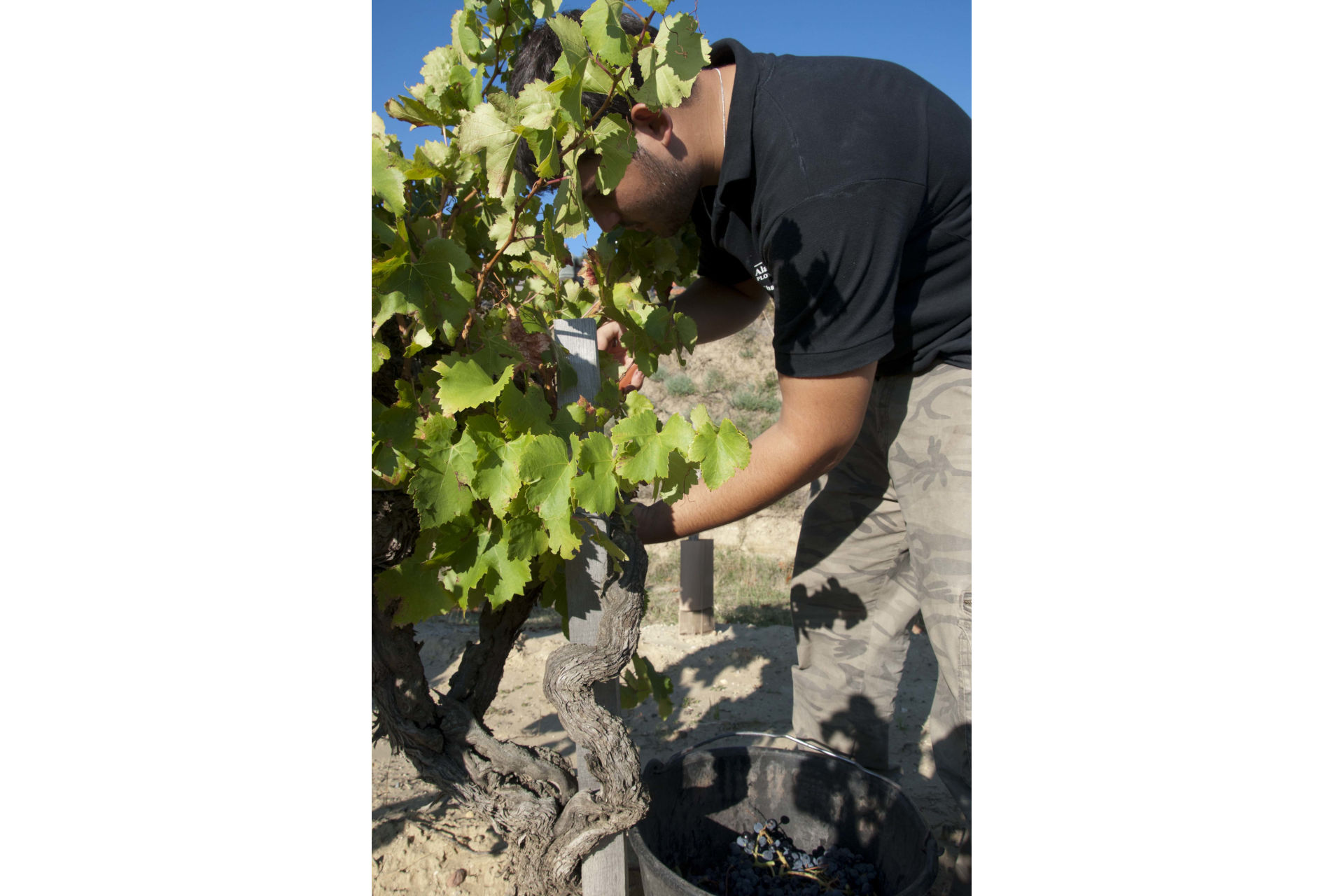
Grégory , already deeply involved in the estate’s commercial development, brings a modern vision combined with a commitment to traditional methods—hand-harvesting, authentic winemaking, and respect for the estate’s diverse terroirs.
Maxime , for his part, is increasingly involved in the vineyards and the harvest—his energy and passion reinforce the spirit of passing on knowledge that drives the property.
Finally, Thibault completes the team with his dedication and commitment to the family philosophy, combining modernity through social media management with exploring new avenues in winemaking to further define the identity of the Usseglio Family wines.
Together , they work to perpetuate the work of their fathers (Jean-Pierre and Thierry) while bringing a new breath to the estate : combining tradition, innovation and sustainability, to offer an ever finer and more authentic expression of the Châteauneuf-du-Pape terroir.
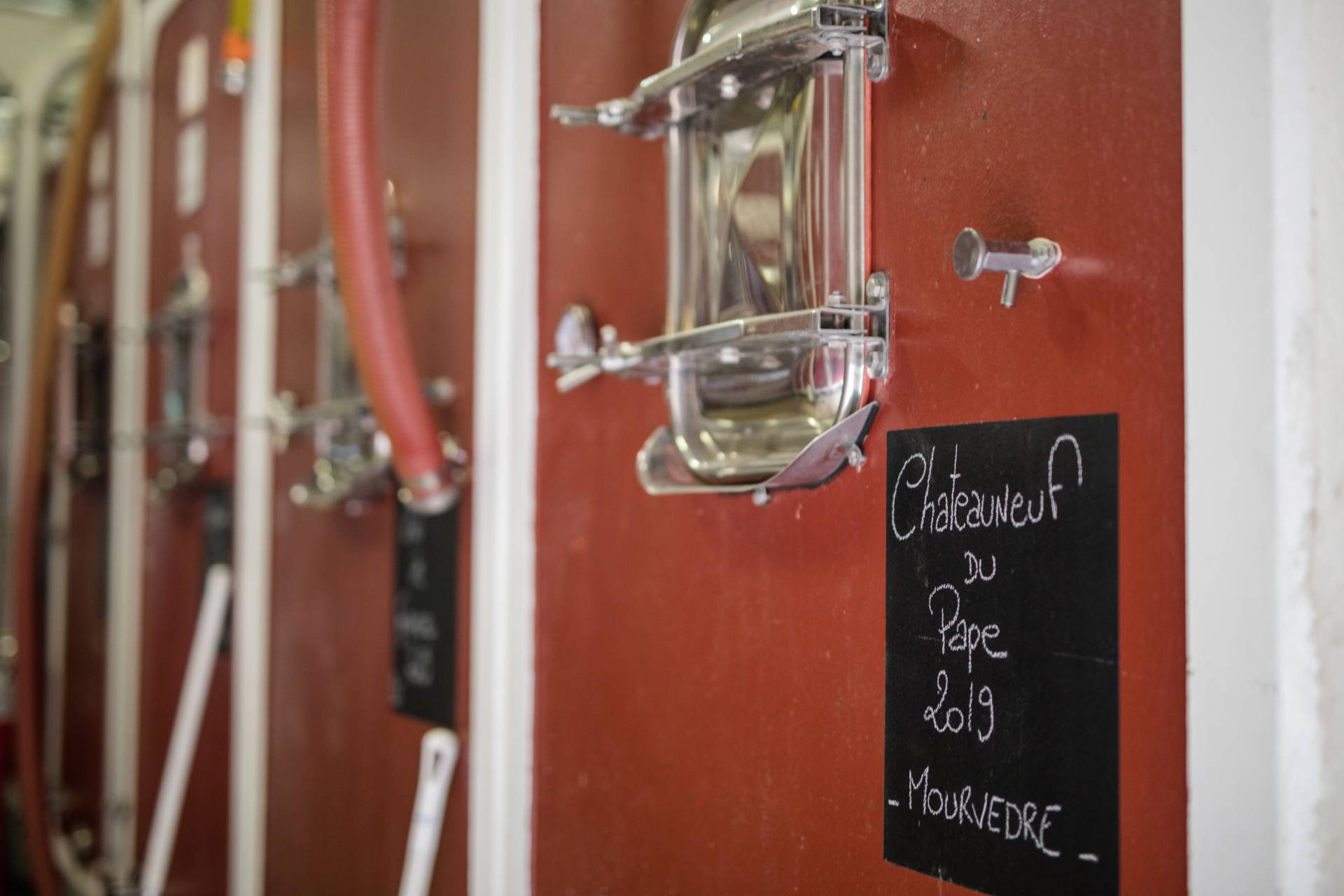

The Châteauneuf-du-Pape appellation ( A bit of history )
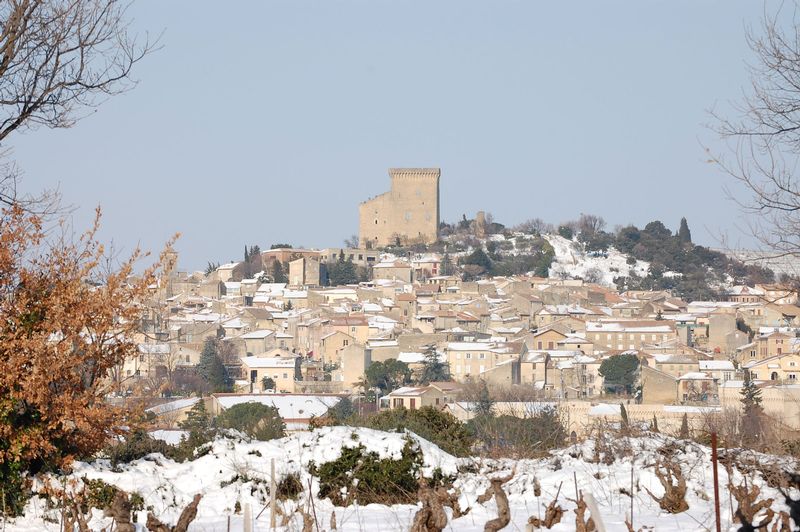
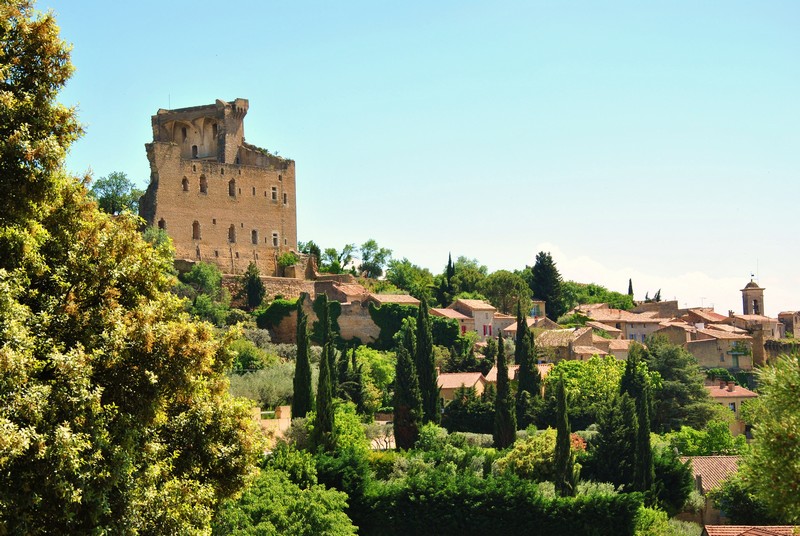
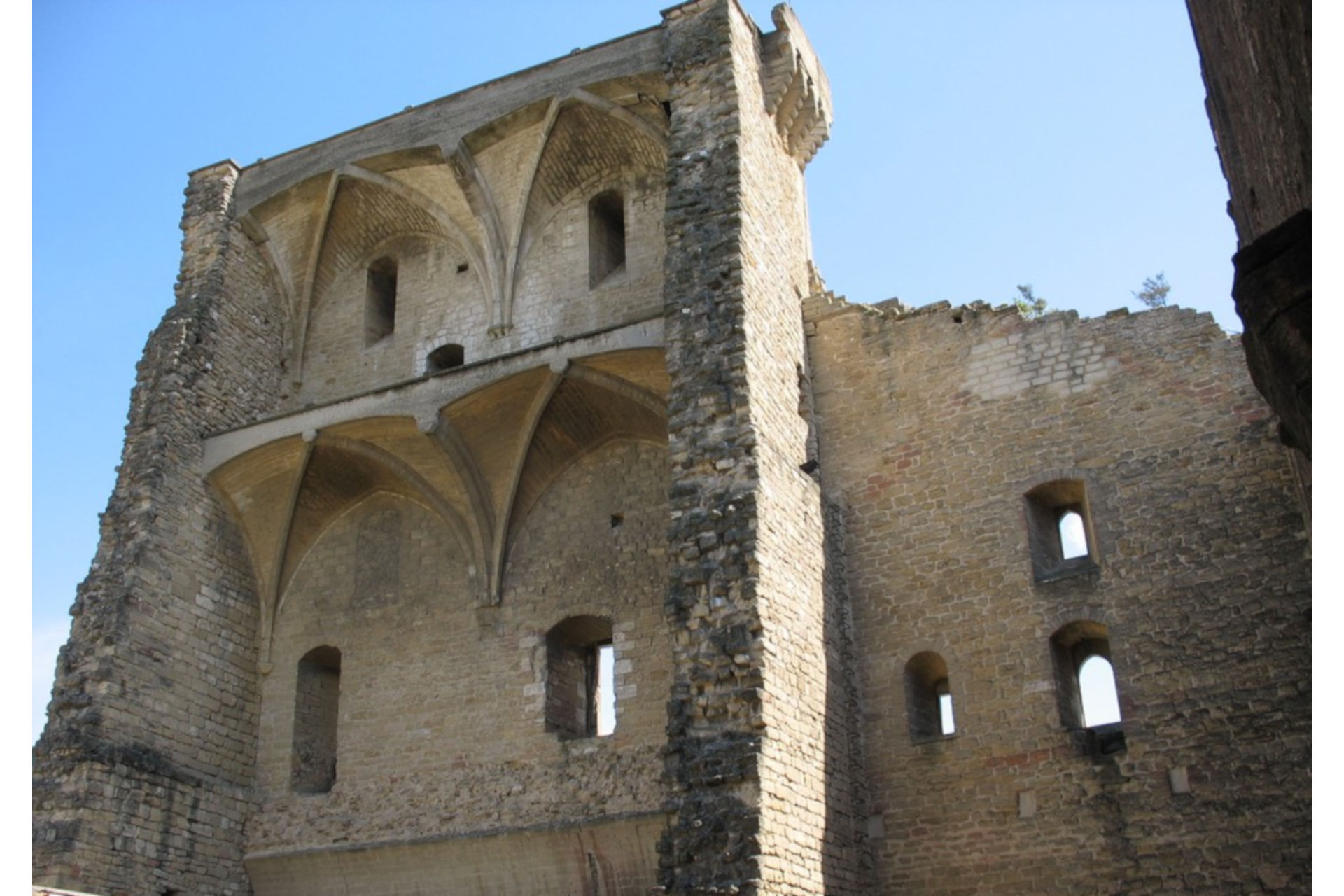
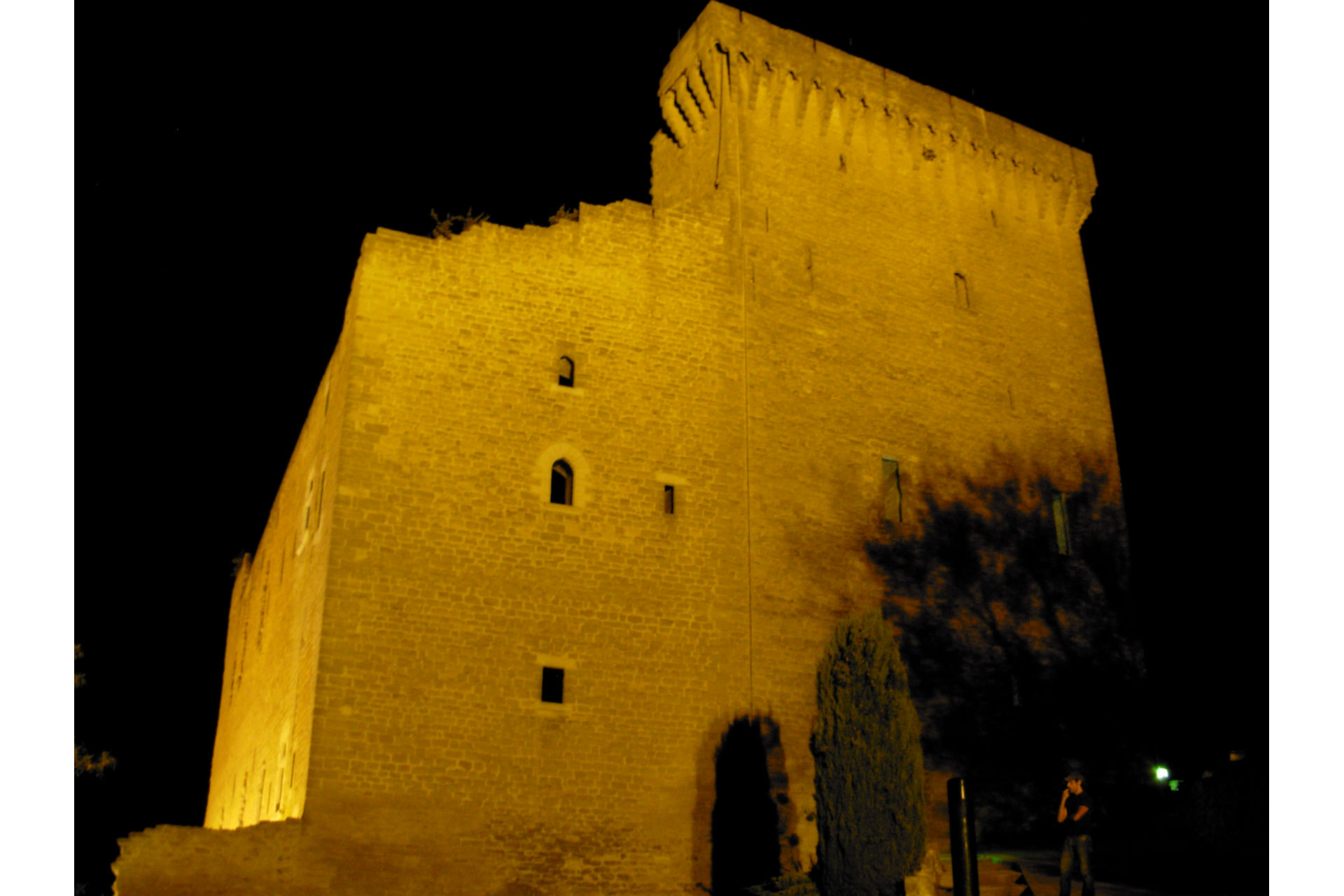
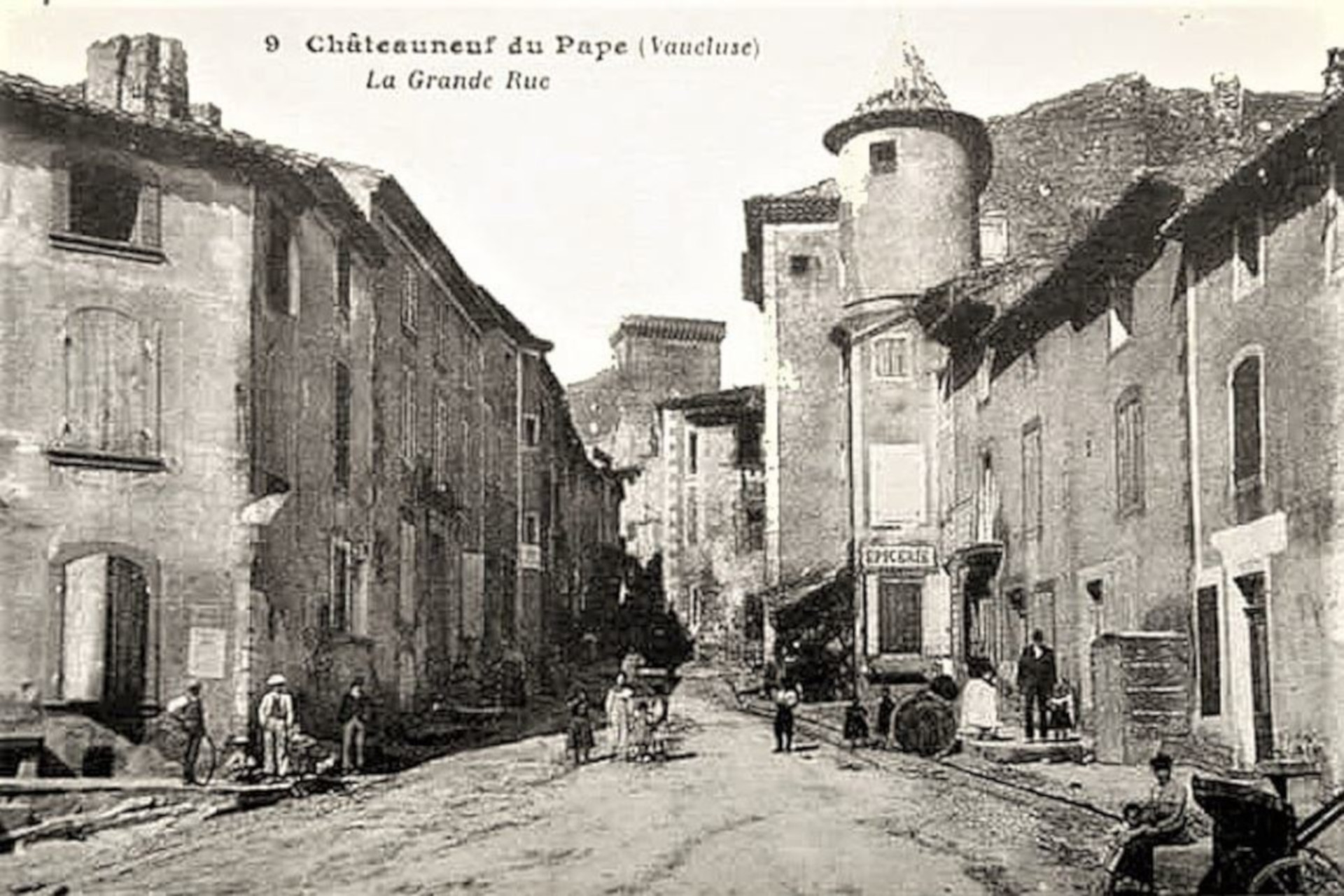
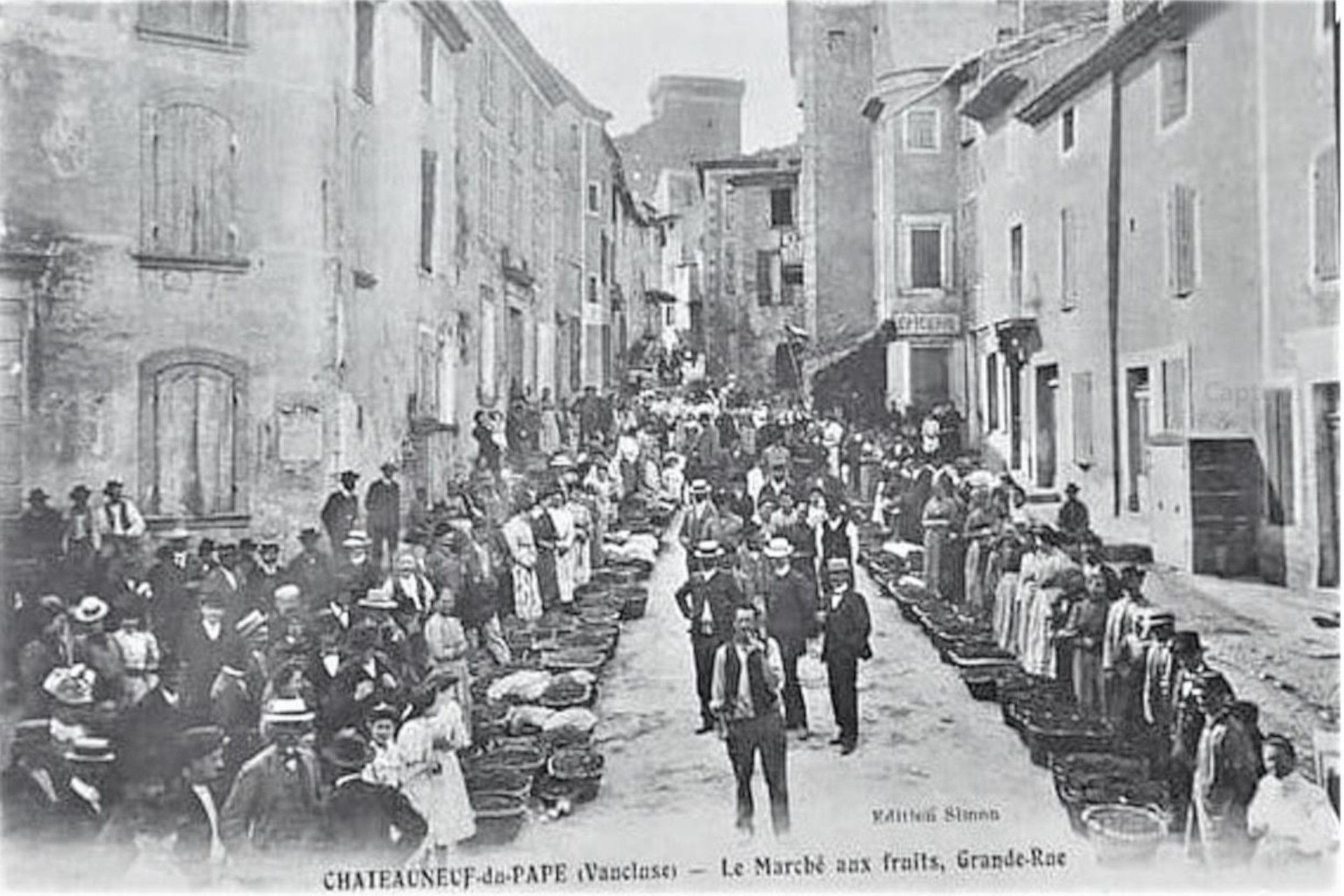
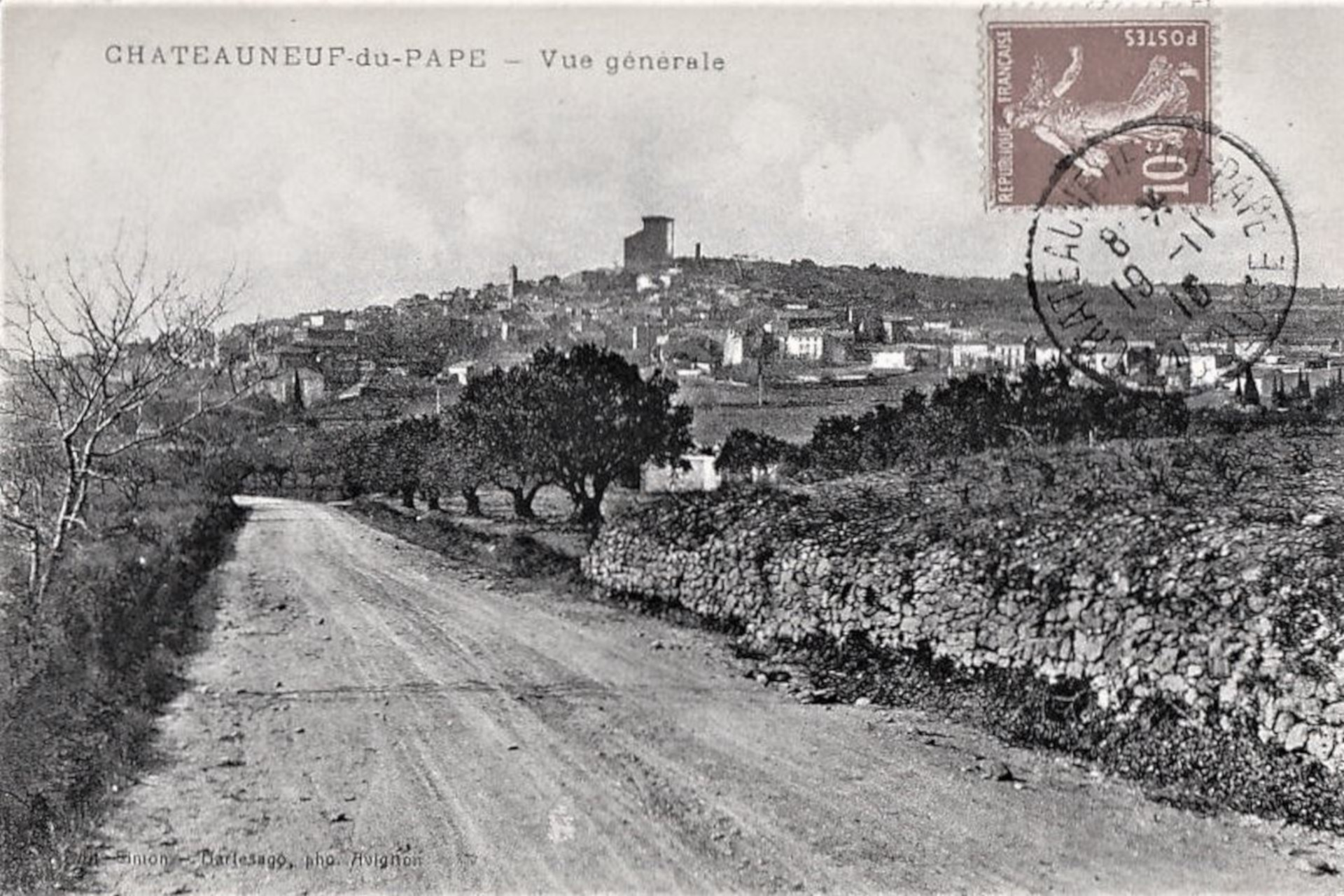
The birthplace of one of the greatest southern wines, Châteauneuf-du-Pape draws its history from that of the Avignon popes. In the 14th century, Pope John XXII chose to build a summer residence on the hills above the village. Under his influence, vineyards grew increasingly important, and the quality of the wines produced around the “new Pope’s castle” began to be recognized far beyond the region.
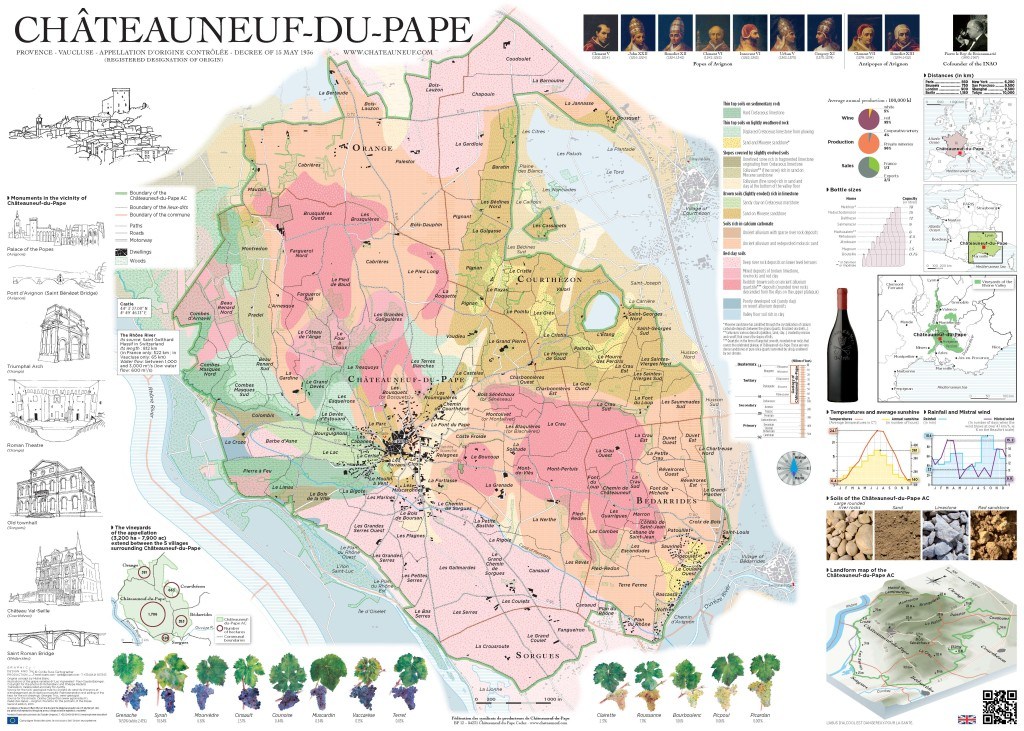
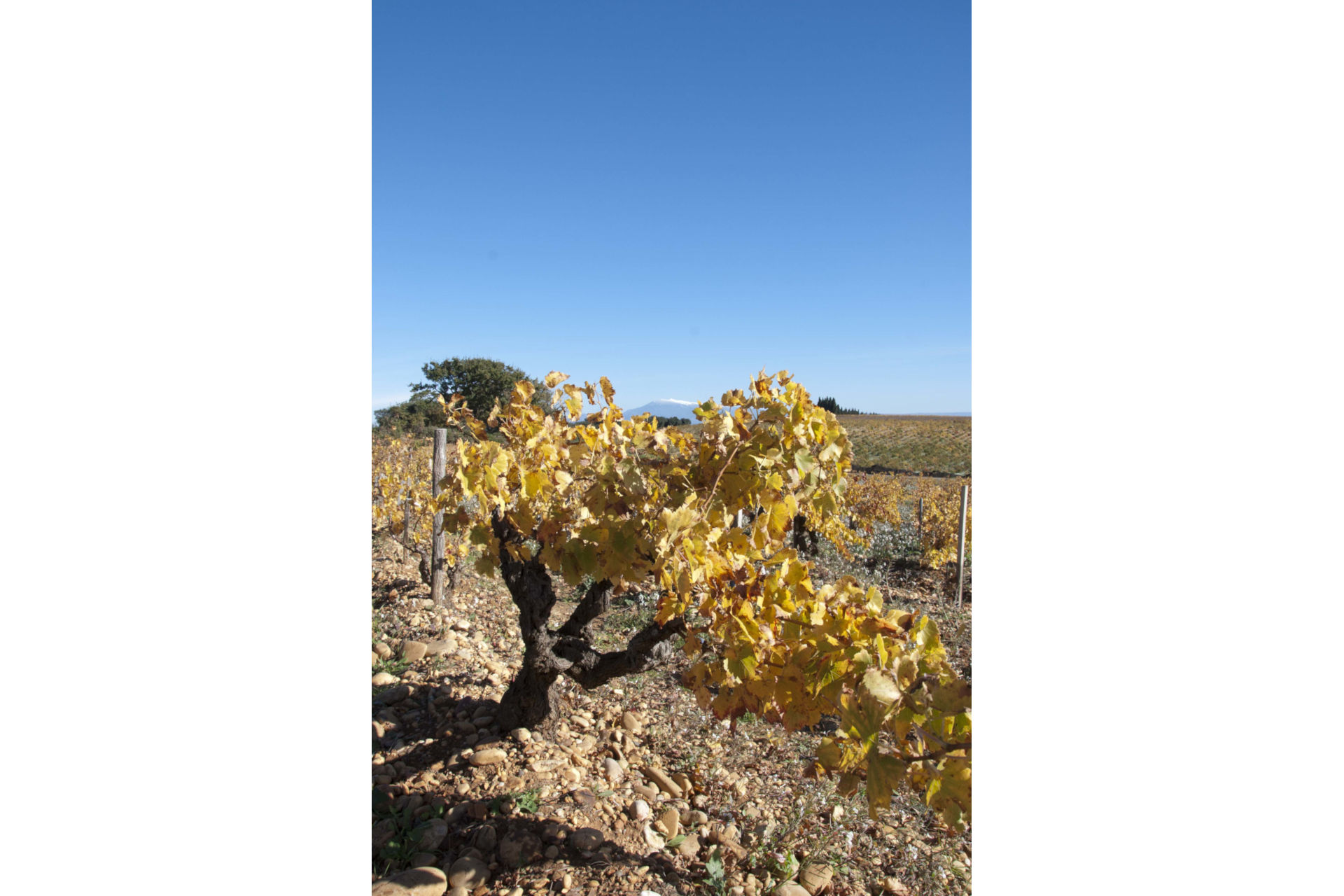
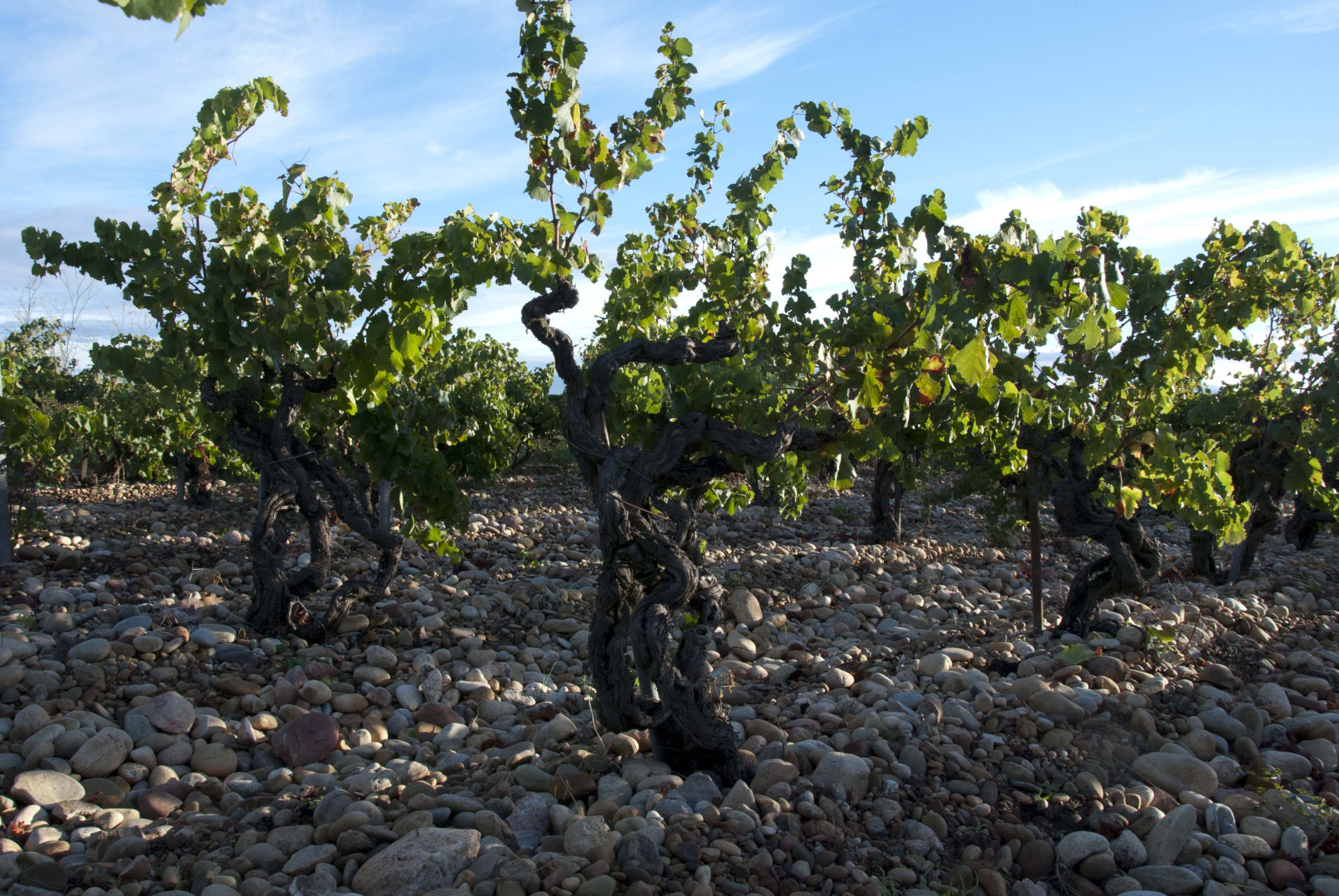
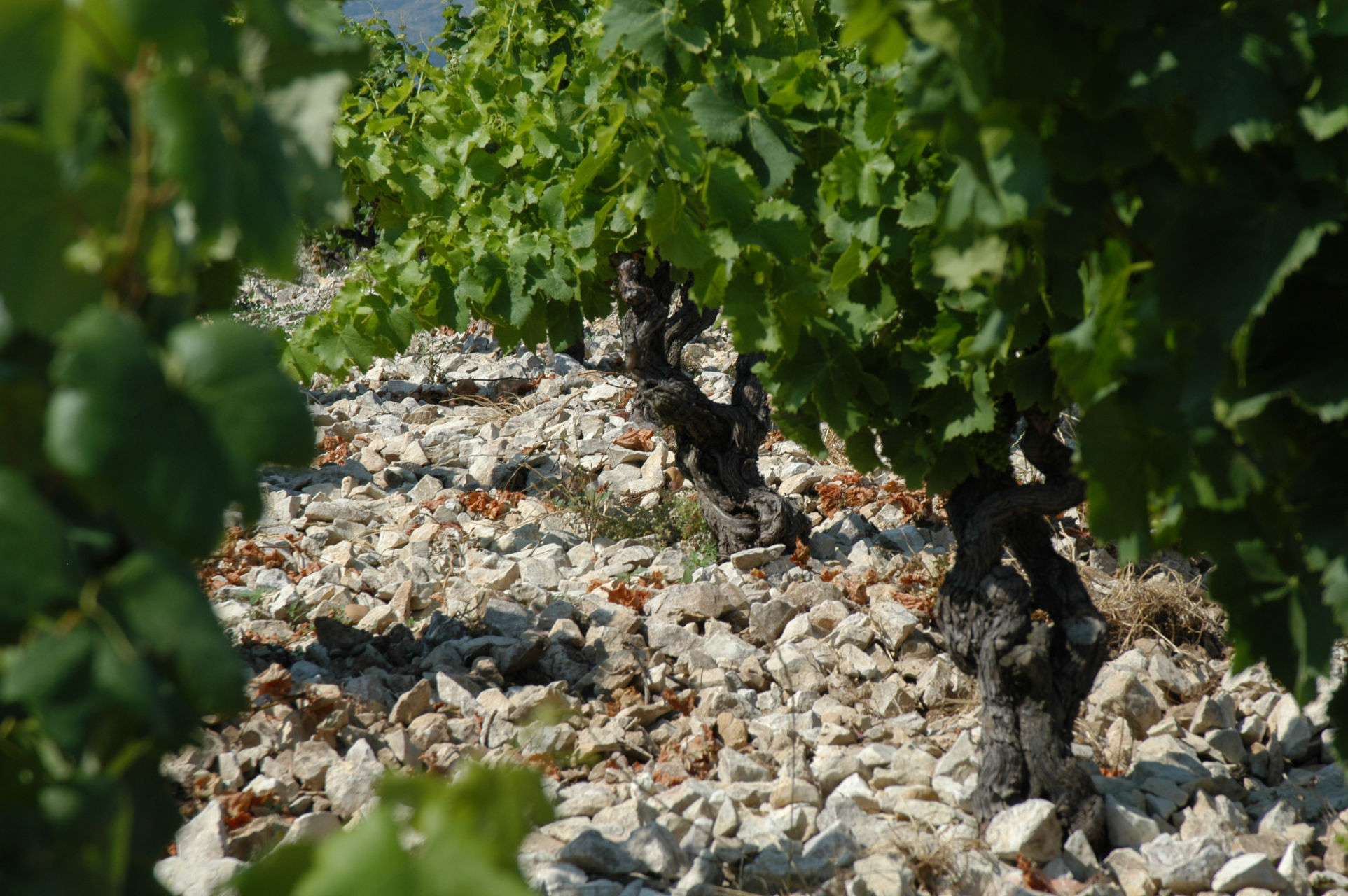
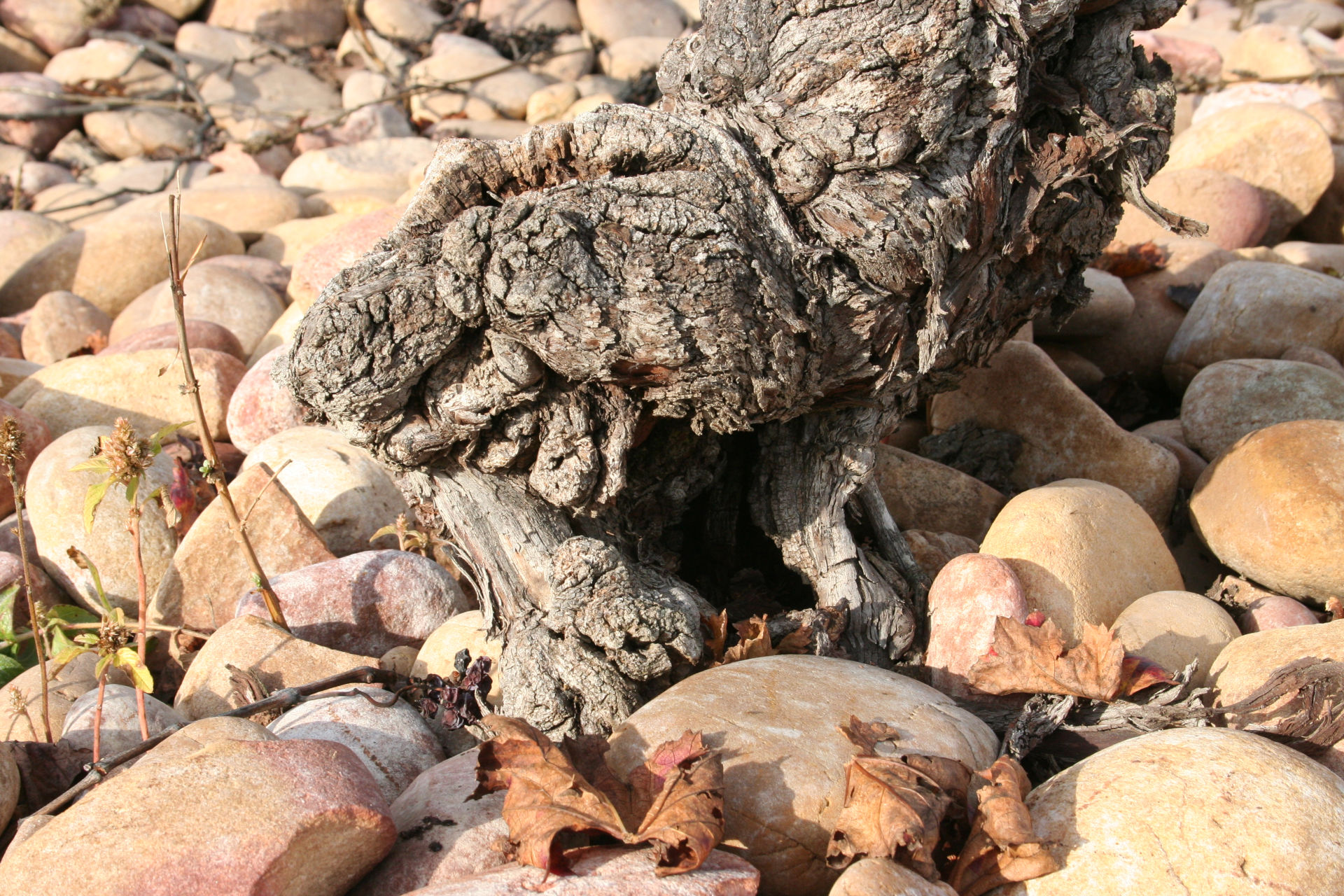
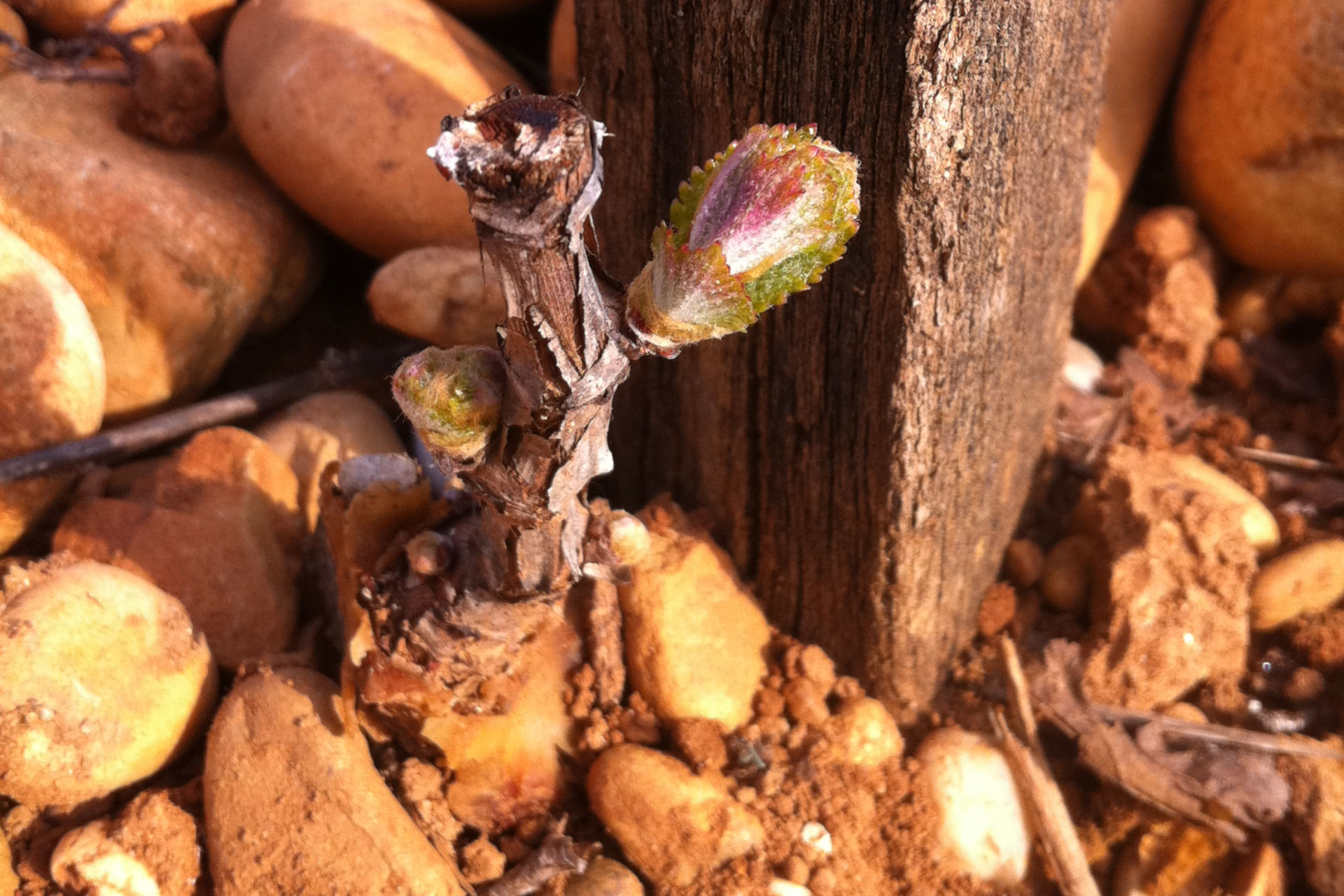
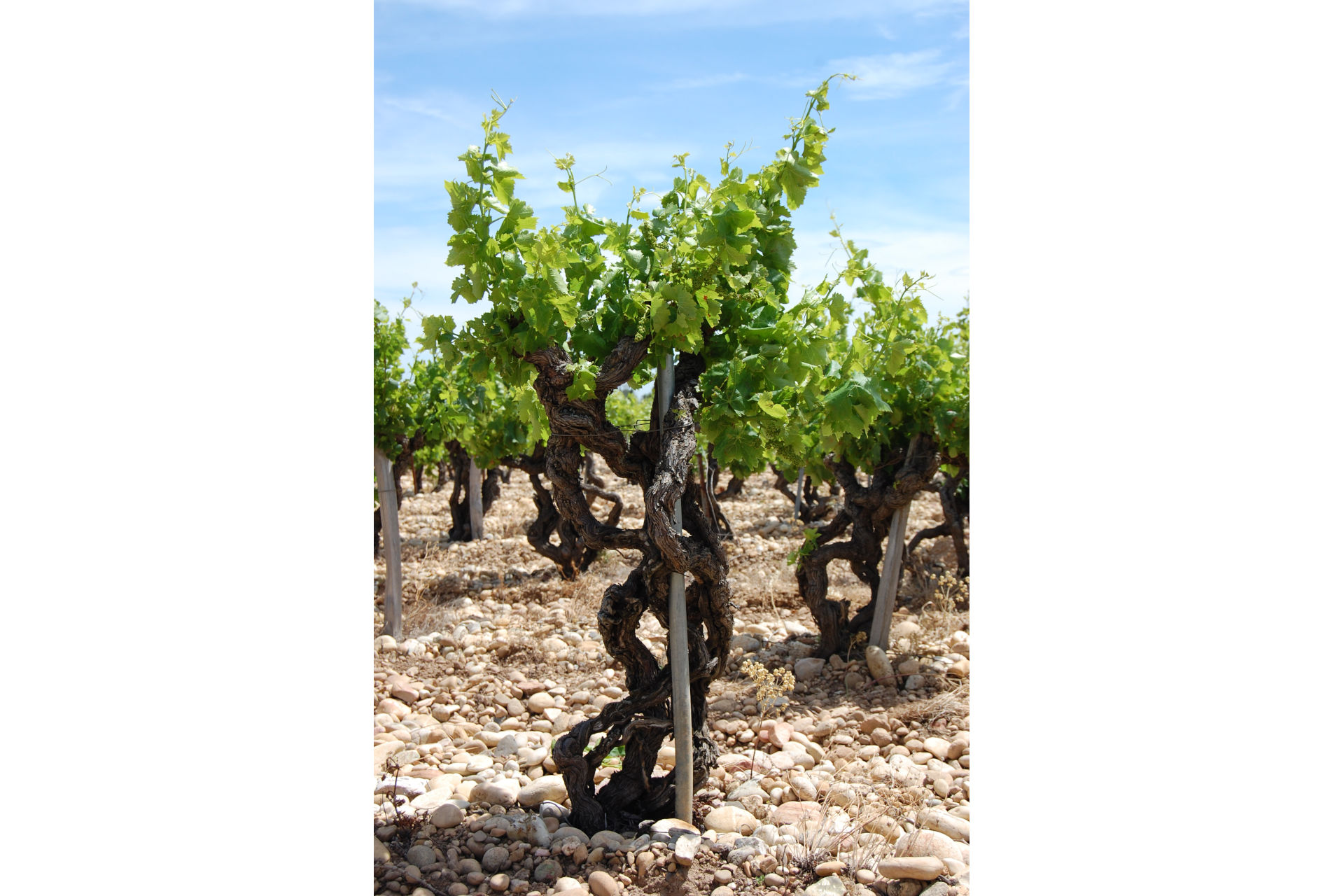
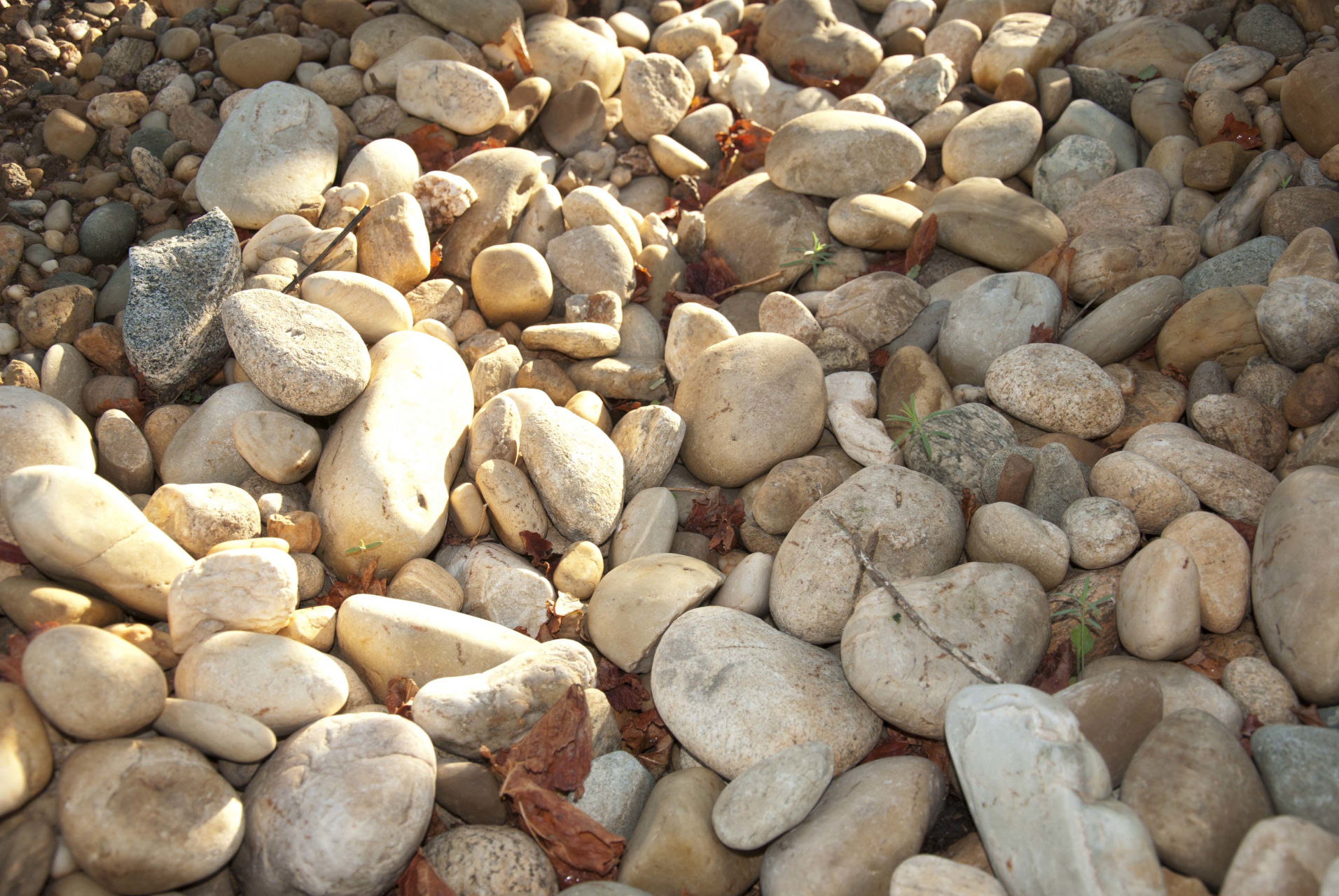
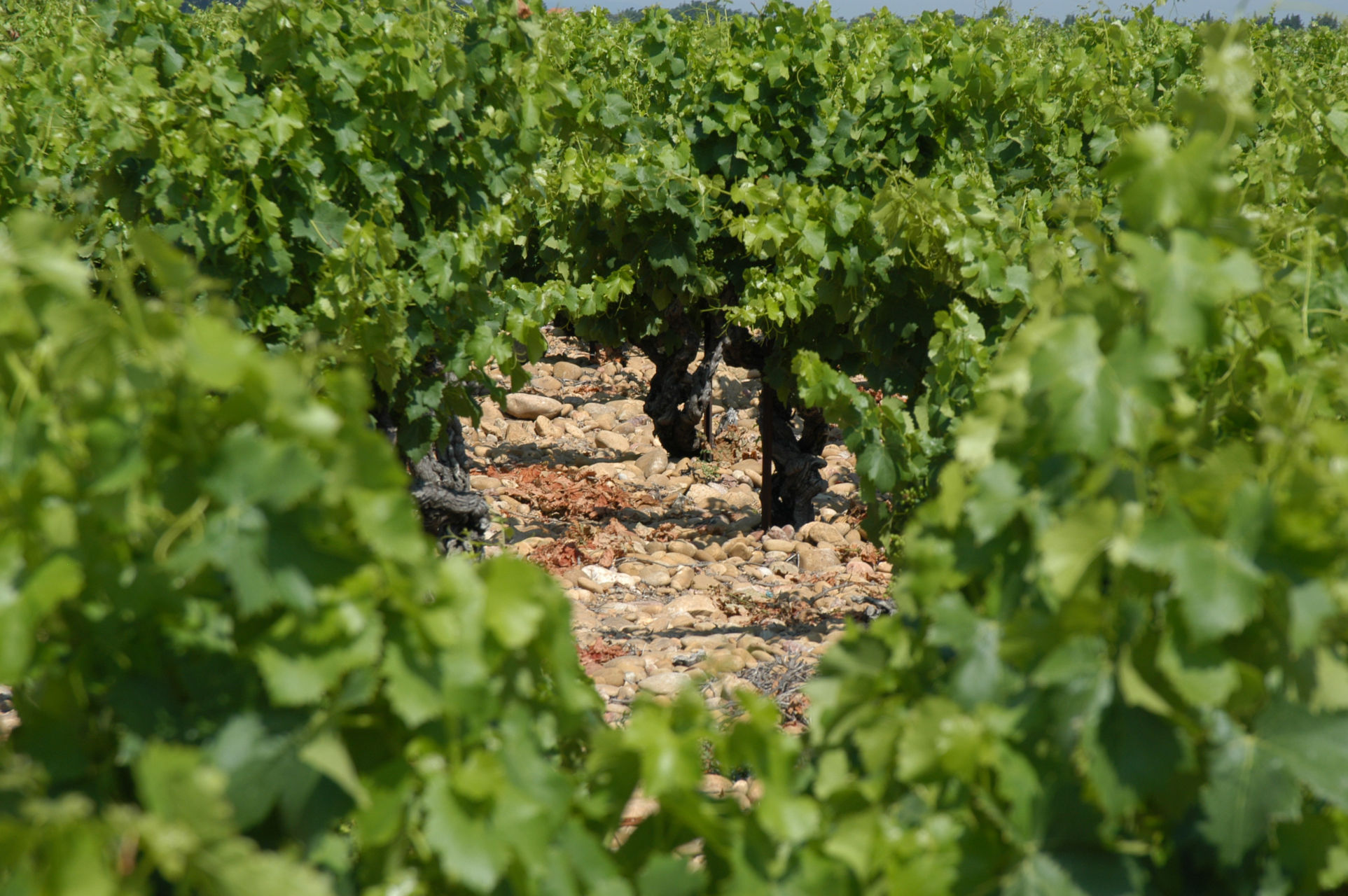
Over the centuries, local families developed and structured the vineyard. The soils of rolled pebbles, limestone plateaus, and sands offer a mosaic of unique terroirs that forge the signature of the future vintage. Thanks to this potential, Châteauneuf-du-Pape became, at the beginning of the 20th century, a model for the whole of French viticulture.
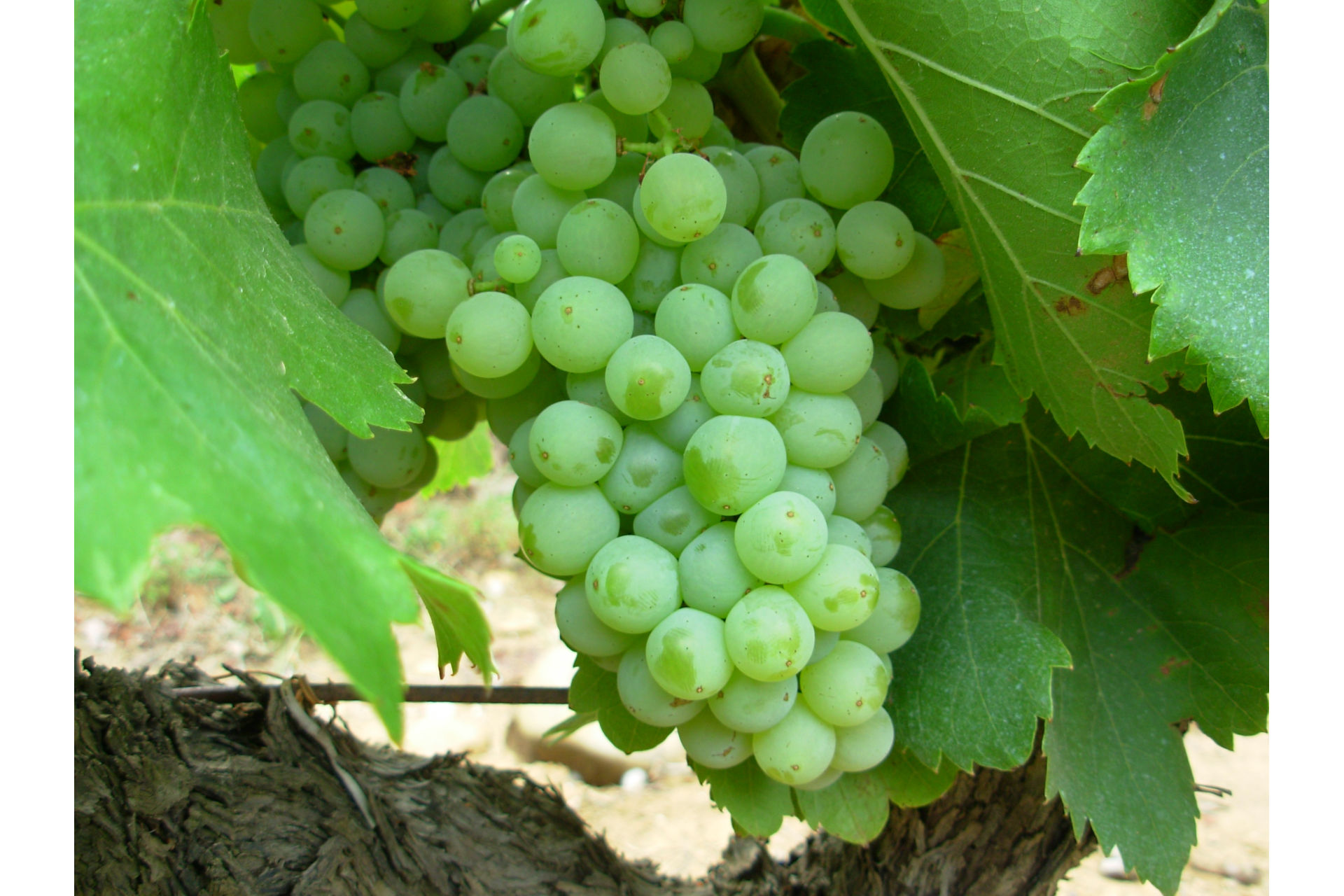
In 1936 , the village entered history by becoming one of the very first Appellations d’Origine Contrôlée (AOC) in France. The specifications are distinguished by their rigor and by the exceptional diversity of its authorized grape varieties — up to thirteen for reds and whites — symbols of the richness and complexity of the appellation.
Today, Châteauneuf-du-Pape is recognized as one of the emblems of the Rhône Valley vineyard . Its wines, renowned for their power, aromatic finesse and aging potential, testify to a know-how passed down from generation to generation and a terroir shaped by history as much as by nature.